
Digital Transformation in Marine Industry
Digital Transformation in Marine Industry improves vessel efficiency, safety, and sustainability through smart technologies, automation, AI, and IoT solutions.
7/15/20269 min read


Introduction to Digital Transformation in the Marine Industry
The concept of digital transformation in the marine industry has garnered significant attention in recent years. It encompasses a comprehensive transition from traditional methodologies to the integration of smart technologies and automation across various maritime operations. Digital transformation aims to enhance operational efficiency, promote safety, and improve environmental sustainability within the industry.
Several key drivers propel this transformation. First, the increasing demand for efficient shipping solutions necessitates the adoption of advanced technologies that can optimize fleet performance and reduce operational costs. Second, the global push for sustainability and compliance with rigorous environmental regulations requires the marine sector to innovate towards cleaner and more efficient practices. By leveraging smart technologies, companies can reduce their carbon footprint, aligning with global sustainability goals.
Moreover, advancements in data analytics, internet of things (IoT), and artificial intelligence (AI) have created new opportunities for improving decision-making processes and predictive maintenance. These technologies allow marine operators to collect and analyze vast amounts of data in real-time, facilitating proactive strategies that significantly enhance operational performance.
Additionally, the competitive landscape of the marine industry has been evolving rapidly. Stakeholders, including shipowners, cargo operators, and port authorities, are increasingly recognizing the need to invest in smart technologies to maintain a competitive edge. Failure to adopt digital transformation could result in reduced efficiency, lost revenue opportunities, and a failure to meet emerging regulatory standards.
In summary, embracing digital transformation is crucial for the marine industry’s future competitiveness and sustainability. The integration of smart technologies and automation not only enables businesses to navigate current challenges effectively but also positions them advantageously for future growth in an ever-evolving maritime environment.
The Role of Smart Technologies in the Marine Sector
The marine industry is experiencing a significant transformation driven by the adoption of smart technologies. The integration of the Internet of Things (IoT), artificial intelligence (AI), and big data analytics is becoming increasingly prevalent, fundamentally altering how operations are conducted. These technologies provide innovative solutions that enhance efficiency, improve safety, and optimize resource management.
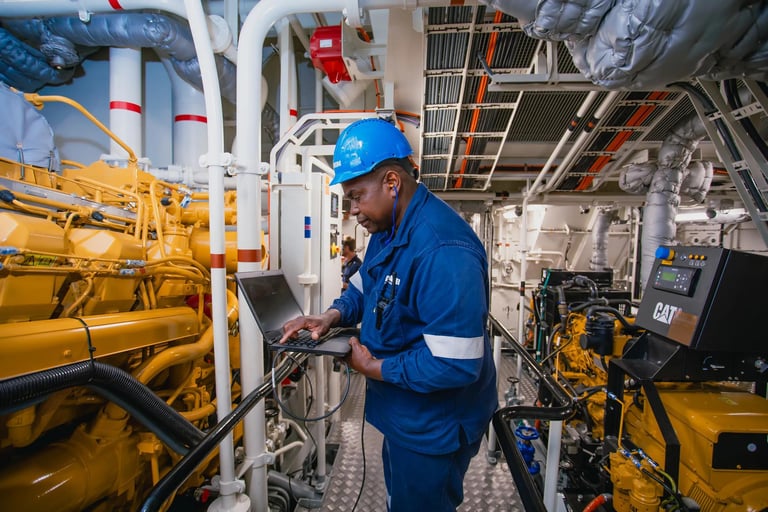
IoT devices, which include sensors and connectivity systems, facilitate real-time monitoring of marine vessels and equipment. By collecting and transmitting data on various parameters, such as fuel consumption, engine performance, and weather conditions, IoT systems enable operators to make informed decisions. This connectivity not only improves operational efficiency but also reduces the likelihood of equipment failure, thus significantly enhancing safety standards in marine operations.
Artificial intelligence further contributes to the transformation by enabling predictive analytics. By analyzing historical data and recognizing patterns, AI algorithms can forecast potential issues before they arise. This proactive approach allows marine operators to schedule maintenance activities based on actual equipment conditions rather than relying on predetermined schedules. Consequently, maintenance costs are reduced, and vessel readiness is maximized.
Moreover, big data analytics plays a crucial role in optimizing resource management within the marine industry. The vast amounts of data generated from smart technologies can be analyzed to identify trends and inefficiencies in operations. This insight allows organizations to streamline processes, improve fuel efficiency, and lower operational costs. Furthermore, data-driven insights help in regulatory compliance, ensuring that maritime activities adhere to environmental standards.
In conclusion, smart technologies are revolutionizing the marine sector by enhancing operational efficiency, improving safety, and optimizing resources. Their implementation represents a significant shift from traditional practices, underscoring the importance of digital transformation in navigating the future of marine operations.
Automation: Redefining Operations in Maritime Activities
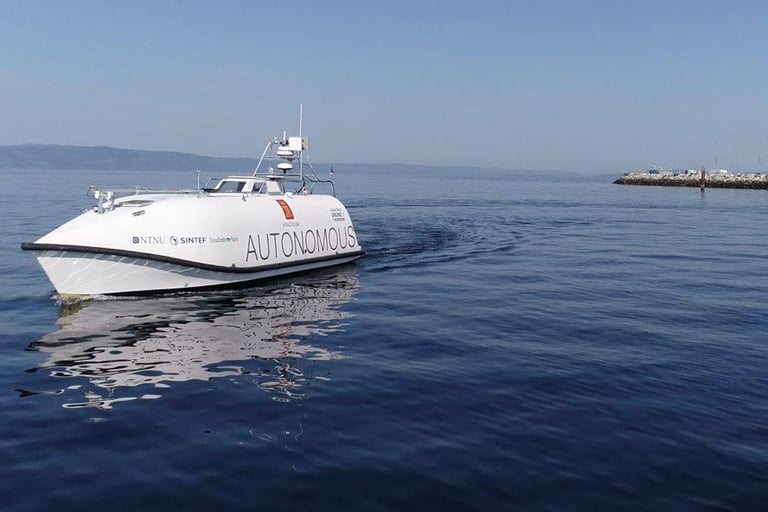
Automation is increasingly becoming a cornerstone in the evolution of the marine industry, supporting a shift towards more efficient, reliable, and cost-effective operations. The integration of automation technologies is reshaping critical areas such as shipping, navigation, and vessel management. These advancements allow for streamlined operations and pave the way for enhanced safety and reliability across maritime activities.
In shipping, the implementation of automated systems has led to significant improvements in cargo handling and overall logistical operations. Automated container terminals utilize sophisticated robotics and algorithms to manage the loading and unloading of cargo swiftly, thus reducing waiting times and minimizing human error. Moreover, the automation of logistics processes not only optimizes port operations but also effectively saves costs associated with labor and time delays.
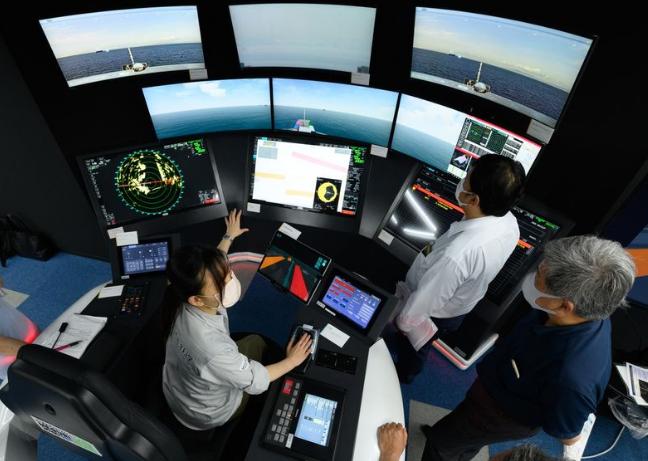
Navigation, another crucial component of maritime operations, stands to benefit immensely from automation technologies. Modern vessels are equipped with automated navigation systems that leverage real-time data and advanced algorithms to determine optimal routes, adjust for prevailing weather conditions, and ensure compliance with maritime regulations. This not only enhances operational efficiency but also mitigates risks associated with navigational errors, thereby contributing to improved safety at sea.
Vessel management is also undergoing a transformation through automation. Smart technologies, such as predictive maintenance and IoT sensors, are enabling operators to monitor vessel performance and detect potential issues before they escalate. This proactive approach to maintenance leads to decreased downtime and increased vessel reliability, which is vital for maintaining operational schedules and meeting customer expectations.
Overall, the strategic adoption of automation within the marine industry signifies a profound shift in operational methodologies. As these technologies continue to evolve, they promise to deliver unprecedented levels of efficiency, reliability, and cost-effectiveness that redefine the future of maritime activities.
Case Studies of Successful Digital Transformation in Marine Companies
The marine industry has witnessed remarkable transformations through the adoption of smart technologies and automation, with several companies setting exemplary standards. One such company is Maersk, a global leader in logistics and shipping. Faced with the challenge of enhancing efficiency while reducing costs, Maersk implemented a series of digital solutions, including the integration of IoT sensors across their fleet. These sensors provide real-time data on vessel performance, enabling fleet management teams to optimize routes and schedules, resulting in significant savings in fuel and operational costs.
Another notable example is Wärtsilä, a prominent manufacturer of marine and energy solutions. The company embraced digital transformation by developing their "Smart Marine Ecosystem" initiative. This project focuses on utilizing big data analytics and machine learning to enhance vessel operations. A key challenge was the initial adoption of new technologies by traditional maritime stakeholders. To overcome this, Wärtsilä provided extensive training and support, demonstrating the value of data-driven decision-making. The outcome was a minimum of 10% improvement in fuel efficiency across participating vessels, highlighting the tangible benefits of their smart technologies.
Additionally, A.P. Moller-Maersk has ventured into predictive maintenance through the use of advanced analytics and automation. By integrating machine learning algorithms with their existing ship maintenance programs, the company could predict equipment malfunctions before they occur. This proactive approach reduces downtime and extends the lifespan of their assets, ultimately leading to increased productivity. The successful execution of these strategies illustrates the significant impact that digital transformation can have on operational efficiency and the competitive positioning of marine companies.
These case studies encapsulate how embracing smart technologies and automation has not only addressed prevalent challenges in the marine sector but also yielded substantial, measurable improvements. As the marine industry continues to evolve, these examples serve as a blueprint for successful digital transformation that fosters innovation and sustainability.
Challenges and Barriers to Digital Transformation in the Marine Industry
The marine industry, while poised for digital transformation through the adoption of smart technologies and automation, faces several significant challenges and barriers that hinder its progress. One of the most prominent issues is the resistance to change among stakeholders. Many employees, including crew members and management, may feel threatened by the introduction of new technologies, fearing job displacement or the need to acquire new skills. This cultural inertia can lead to reluctance in embracing innovative digital solutions, which are essential for modernizing operations.
Additionally, the high initial costs associated with the implementation of digital technologies pose a considerable barrier for many marine companies. Investment in smart technologies, cybersecurity measures, and the necessary infrastructure can be substantial. For smaller firms particularly, the financial burden may prove daunting, resulting in a hesitation to invest in technologies that promise long-term benefits. This factor can lead to an uneven playing field in which larger companies dominate the adoption of digital solutions.
Another challenge involves technological integration. The marine industry includes diverse systems, from navigation tools to engine controls, often operating on legacy formats not designed for seamless integration with modern technology. Achieving interoperability can be a significant hurdle, requiring substantial time and resources to reconfigure existing systems.
Regulatory hurdles also contribute to the slow pace of digital transformation. The marine sector is heavily regulated, and companies must navigate complex compliance requirements which may lag behind technological advancements. Keeping up with changing regulations while also implementing new technologies can create additional challenges for organizations.
To overcome these obstacles, marine companies can employ various strategies, such as fostering a culture of innovation, exploring partnerships with technology providers, and investing in staff training to build digital competencies within the workforce. By addressing these challenges head-on, businesses in the marine industry can better position themselves for successful digital transformation.
Future Trends in the Marine Industry with Digital Transformation
The marine industry is on the cusp of a significant transformation driven by the integration of digital technologies and automation. As stakeholders increasingly recognize the benefits of smart technologies, several anticipated advancements are set to redefine industry standards. One of the most prominent predictions includes enhanced data analytics capabilities, which will allow marine operators to make informed decisions based on real-time data. This shift will optimize navigation processes, fuel consumption, and overall operational efficiency, leading to cost reductions and improved environmental sustainability.
Furthermore, advancements in artificial intelligence and machine learning are expected to play a crucial role in predictive maintenance. By equipping vessels with sensors and monitoring systems that continuously analyze equipment performance, companies can anticipate potential failures before they occur. This proactive approach will not only streamline operations but also enhance safety measures onboard, significantly reducing accident risks and operational downtimes.
Regulatory developments will also shape the future of the marine industry as governments impose stricter environmental and safety standards. The adoption of smart technologies will assist organizations in compliance, enabling better reporting and monitoring of emissions and energy usage. These regulations will not only foster responsible operational practices but may also drive innovation as companies seek to develop cutting-edge solutions that meet or exceed regulatory benchmarks.
Market dynamics are expected to shift as automation becomes a key competitive factor. Businesses that effectively leverage digital transformation will hold substantial advantages over competitors, potentially leading to greater market share and profitability. As more organizations embrace this evolution, partnerships and collaborations will emerge, fostering knowledge sharing and innovation acceleration across the marine ecosystem.
Conclusion: Embracing Change for a Sustainable Future in Marine Industry
The marine industry stands at a pivotal crossroads where the integration of smart technologies and automation is not just an option, but a necessity for sustainability and competitive advantage. Throughout this discourse, we have examined the profound impact that digital transformation can have on various facets of marine operations, from enhancing efficiency to reducing environmental footprints. By embracing innovations such as IoT, AI, and automated systems, stakeholders can significantly improve operational performance while addressing critical challenges that threaten marine ecosystems.
Moreover, the transition towards digital solutions fosters not only operational efficiency but also promotes a culture of continuous improvement. The marine industry has traditionally been characterized by labor-intensive processes and limited data utilization. However, the adoption of smart technologies can streamline operations, offering real-time insights for better decision-making and resource management. Engaging in this digital journey is, therefore, essential for shipowners, operators, and regulators who wish to navigate the complexities of today's maritime environment.
As we move into an era driven by digital innovation, it is crucial for industry leaders to remain proactive and visionary. Investing in smart technological solutions can lead to enhanced safety protocols and significant cost reductions in operational expenditures, thereby ensuring a sustainable future. The benefits of digital transformation will extend beyond individual organizations to the entire marine ecosystem, paving the way for a more resilient and secure maritime infrastructure.
In conclusion, embracing change through digital transformation is vital for the marine industry. Stakeholders and decision-makers should actively seek to implement smart technologies and automation systems to not only stay competitive but also contribute towards a more sustainable maritime industry. The future is here, and those willing to adapt will likely lead the charge in creating a sustainable, efficient, and innovative marine environment.




Get in touch
Address
13 north street
Weihai Shandong China
Contacts
+86 156 8454 3412
yacht.business48@gmail.com