
Durable Boat Components for Demanding Conditions and Long-Term Marine Performance
Discover durable boat components and marine accessories designed for harsh conditions. Explore reliable hardware that improves yacht performance, safety, and long-term boating experience.
7/14/20268 min read


Introduction to Durable Boat Components
In the world of marine engineering, the selection of durable boat components is a critical factor that influences the performance and longevity of vessels. Boats operate in challenging environments, including exposure to saltwater, strong currents, and fluctuating temperatures, all of which can adversely affect their structural integrity and functionality. It is imperative that boat builders and owners prioritize durability when choosing components to ensure their vessels can withstand these demanding conditions.
Durable boat components are designed to offer enhanced resilience, providing not only structural support but also serving as critical safety features. For example, high-quality hull materials and reinforced fittings are pivotal in preventing structural failures that could lead to catastrophic incidents at sea. Additionally, components that boast corrosion resistance are essential in prolonging the lifespan of boats, reducing maintenance costs associated with wear and tear.
Moreover, the right choice of durable materials can significantly affect a boat's overall performance. Lightweight but strong components can improve fuel efficiency, while reliable propulsion systems ensure effective navigation in rough waters. This directly impacts the boat's usability, particularly for recreational and commercial purposes where performance is paramount.
The interplay between durability and safety in marine settings highlights the importance of careful selection. Utilizing components made from materials such as marine-grade aluminum or high-density polyethylene can mitigate risks associated with mechanical failures. Furthermore, investing in well-constructed fixtures and fittings contributes to the overall stability and reliability of the vessel.
Common Stress Factors in Marine Environments
Boats operate in unique and often harsh environments that can exert substantial stress on their components. Understanding these stress factors is vital for selecting materials that ensure durability and longevity. One of the most significant factors is saltwater corrosion. Saltwater can accelerate the degradation of metals and other materials, leading to structural weakening and increased maintenance needs. Manufacturers often resort to highly corrosion-resistant alloys and protective coatings to combat this pervasive threat.
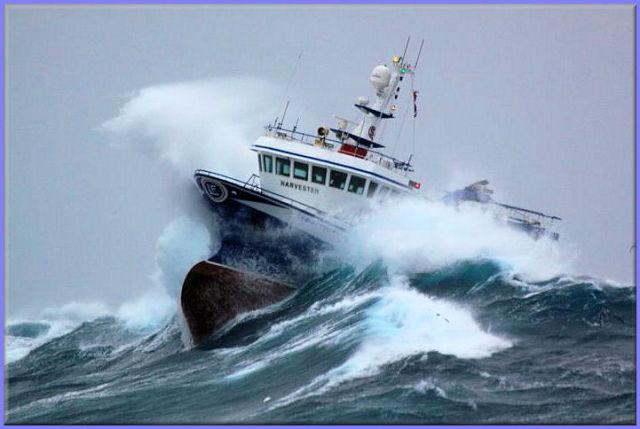
Extreme weather conditions pose another considerable risk to marine crafts. High winds, heavy rain, and sudden temperature changes can impact the structural integrity of boats. Components such as rigging, decking, and hulls must be designed to withstand extreme forces during storms, as well as the thermal stresses caused by fluctuating temperatures. Selection of high-strength materials is essential to minimize failure risks under such conditions.
Additionally, UV exposure can lead to fading, degradation, and brittleness in materials not specifically engineered for such challenges. This is particularly important for surfaces exposed to sunlight, which can require specialized UV-resistant coatings or materials to maintain performance and appearance over time. Regular checks and maintenance can go a long way in mitigating the long-term effects of UV damage.
Lastly, the physical stresses of waves and movement must be considered. Boats are constantly subjected to the forces of waves which can create significant stress on hull structures and joinery. Components must be designed to flex and adapt without compromising integrity, ensuring they can endure the dynamic nature of marine environments. Overall, understanding these common stress factors is crucial for ensuring the performance and durability of boat components in demanding marine conditions.
Materials Used in Durable Boat Components
Durable boat components are essential for ensuring reliability and performance in challenging marine environments. The selection of appropriate materials plays a crucial role in their longevity and functionality. Key materials commonly utilized in the construction of these components include fiberglass, aluminum, stainless steel, and engineered plastics.
Fiberglass is widely renowned for its excellent strength-to-weight ratio, making it an ideal choice for boat hulls and various internal components. Its corrosion resistance is paramount in marine applications, as it withstands the harsh effects of saltwater and extreme weather conditions. Additionally, fiberglass is relatively easy to mold into complex shapes, which allows for intricate designs while maintaining structural integrity.
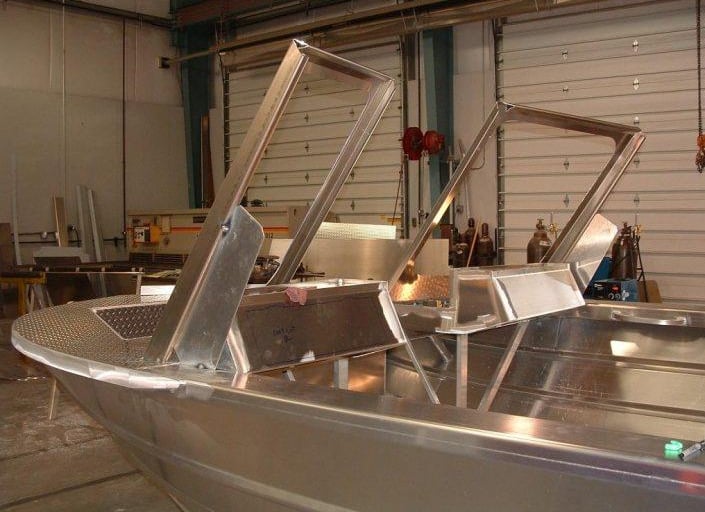
Aluminum is another material favored for boat construction due to its lightweight nature and exceptional resistance to rust and corrosion. Boats made from aluminum benefits from reduced weight, which enhances speed and fuel efficiency. Furthermore, aluminum is recyclable, highlighting its environmental advantages. The durability of aluminum allows it to perform well in a variety of conditions, offering long-term usability.
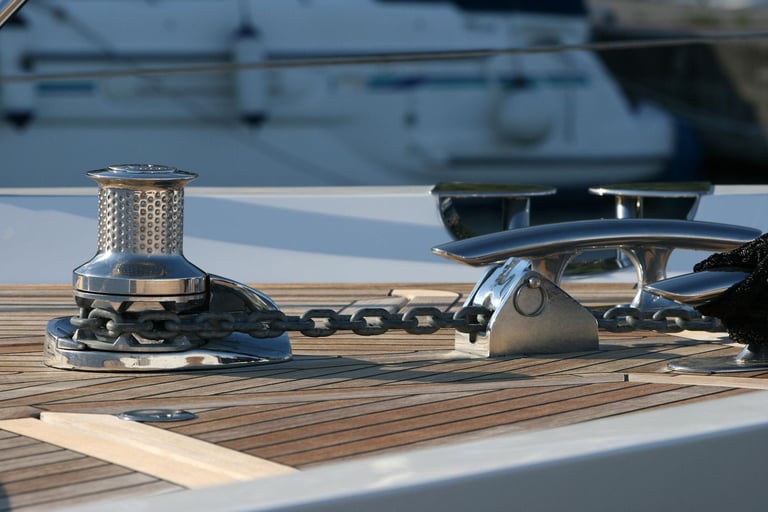
Stainless steel is widely used for hardware components such as fasteners, railings, and fittings because of its outstanding strength and resistance to oxidation. Its durability under mechanical stress and exposure to harsh marine environments makes it a preferred choice for construction. This enhances safety and reliability, contributing to the overall performance of the vessel.
Engineered plastics, such as high-density polyethylene (HDPE) and polycarbonate, are also increasingly being integrated into boat components. These materials provide excellent impact resistance and flexibility. Engineered plastics are often used for storage solutions and other functional components, ensuring longevity and reliability while adding minimal weight.
Key Durable Components for Boats
Durable boat components are essential for ensuring long-term marine performance, particularly in demanding conditions. Among the most critical elements are hulls, decks, fasteners, and various hardware. Each of these components contributes significantly to the overall durability of a vessel, making their material and construction choices vital for marine applications.
Starting with the hulls, they are the backbone of any watercraft, providing structural integrity and impact resistance. Modern hulls are commonly constructed from materials like fiberglass, aluminum, or advanced composite materials that offer a strong yet lightweight solution. Fiberglass hulls are popular due to their excellent resistance to corrosion and stress, while aluminum options provide additional benefits such as ease of repair and low maintenance requirements. The choice of hull material directly impacts performance, buoyancy, and longevity in diverse marine environments.
Decks likewise require robust construction, as they endure loads from both crew and equipment. They are often made from fiberglass or durable wood, reinforced with non-slip coatings to prevent accidents in slippery conditions. Marine-grade plywood, treated to resist moisture and decay, is also a common choice for decking. Proper sealing and maintenance can greatly enhance the lifespan and durability of deck surfaces, making them an essential component for any boat.
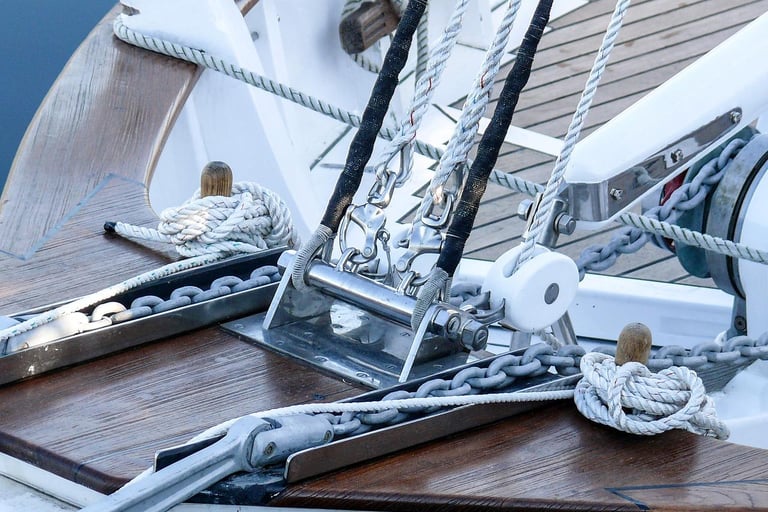
Fasteners and hardware are critical in maintaining the integrity of various components within the vessel. Marine-grade stainless steel fasteners are preferred because they resist rust and corrosion, providing greater longevity in harsh saltwater environments. Additionally, other materials such as nylon or bronze can be employed for specific applications, offering resistance to wear and degradation. The selection of high-quality fasteners and hardware not only ensures structural stability but is also crucial for the safety and performance of the boat.
Technological Advancements in Marine Component Durability
Recent innovations in the manufacturing of marine components have significantly advanced the durability and performance of boats, particularly in demanding marine conditions. These advancements encompass various technological developments, including enhanced anti-corrosion coatings, innovative composite materials, and smart technology solutions that monitor component health.
One of the most notable improvements in marine component durability is the introduction of advanced anti-corrosion coatings. These coatings are designed to provide robust protection against the corrosive effects of saltwater, moisture, and microbial growth. Manufacturers are now utilizing nanoparticle technology, which allows for the creation of thinner yet more durable coatings, enhancing resistance without adding unnecessary weight. As a result, vessels maintain their aesthetic and functional integrity for longer periods, reducing maintenance costs and prolonging the lifespan of critical components.
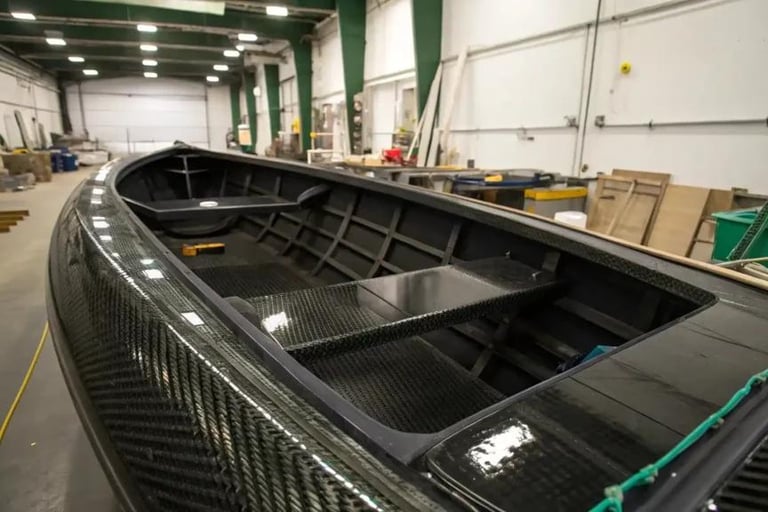
In addition to coatings, the use of composite materials has transformed the manufacturing landscape for various marine components. Advanced composites, which typically combine fibers such as carbon or aramid with resin systems, offer superior strength-to-weight ratios compared to traditional materials. This not only results in lighter components, improving vessel performance, but also enhances durability by providing a high resistance to impact, fatigue, and environmental degradation. Moreover, these materials are inherently resistant to corrosion, making them an ideal choice for long-term marine applications.
Incorporating smart technology into marine components represents another groundbreaking advancement. Sensors embedded within critical components can continuously monitor parameters such as temperature, stress, and overall performance. This real-time data collection enables proactive maintenance, allowing boat operators to address potential issues before they escalate into costly repairs. Such integration of smart technology into marine design significantly reduces the risk associated with component failure in harsh environments.
Together, these technological advancements represent a substantial leap forward in enhancing the durability and reliability of marine components, ensuring optimal performance in demanding conditions for years to come.
Best Practices for Maintenance and Care
Maintaining and caring for durable boat components is crucial to ensuring their longevity and performance in demanding marine conditions. Regular maintenance not only helps in identifying potential issues before they escalate, but also extends the lifespan of the materials and systems employed in your vessel.
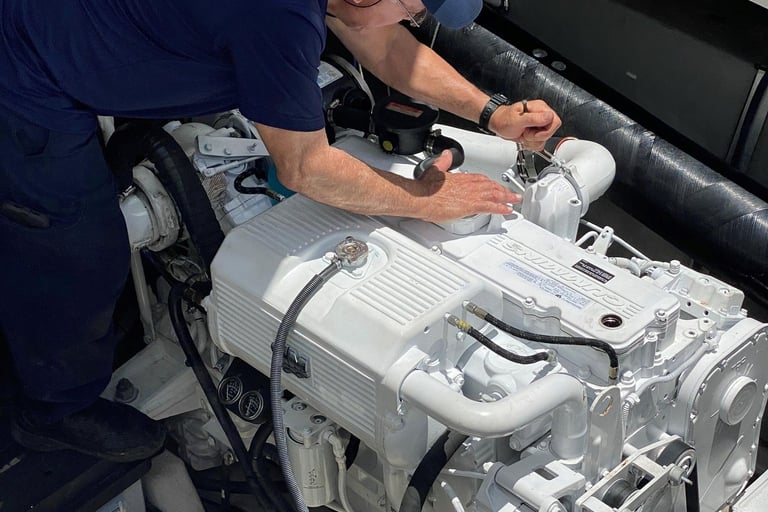
One of the most effective preventative measures is to conduct routine inspections of all boat components. Check for signs of wear and tear, corrosion, and fatigue, especially in critical areas such as the hull, engine, and electrical systems. A systematic approach to inspection can uncover minor problems that may lead to significant failures if left unattended.
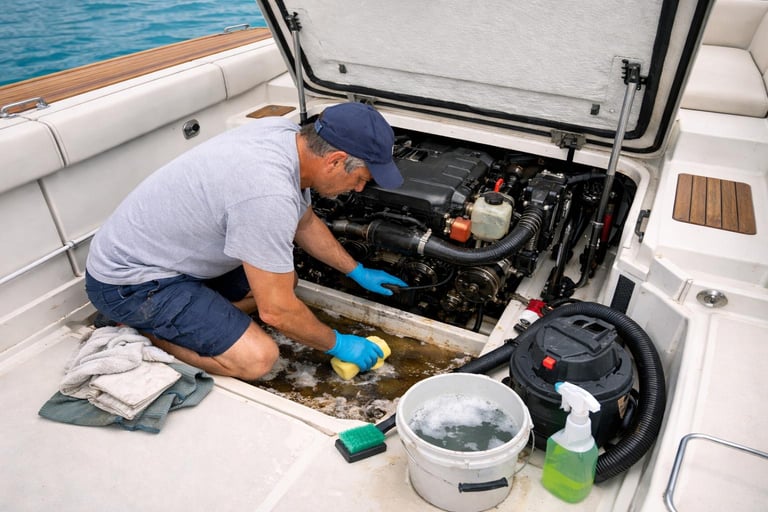
Cleaning techniques are equally important for the care of durable parts. Rinse your boat with fresh water after every outing to remove salt, grime, and other contaminants that contribute to deterioration. Pay special attention to the deck, engine, and any metal fittings that may be susceptible to rust and corrosion. Utilize appropriate cleaning agents that are specifically designed for marine environments to avoid damaging the components.
Additionally, storing your boat properly during off-seasons can help protect its components from harsh environmental conditions. Using a quality cover not only shields against UV damage but also keeps moisture and debris at bay, which can cause mold and mildew buildup. Consider using a dehumidifier or moisture absorbers in enclosed spaces to prevent condensation damage.
Lastly, keeping a detailed maintenance log can aid in tracking the service history of your boat's components. Documenting inspections, repairs, and replacements can help in planning future maintenance tasks and ensuring that nothing is overlooked. By following these best practices, boat owners can safeguard their durable components, leading to enhanced marine performance and reliability.
Conclusion: Investing in Durability for Marine Success
In the demanding environment of marine activities, the longevity and performance of a boat are heavily influenced by the quality of its components. As discussed, investing in durable boat components is not merely a recommendation; it is essential for ensuring both safety and efficiency at sea. High-quality materials, such as corrosion-resistant metals and robust fiberglass, can significantly enhance the resilience of a vessel, allowing it to withstand harsh conditions and prolonged exposure to saltwater.
Furthermore, durable components contribute to the overall maintenance cost of a boat, reducing the frequency and extent of repairs needed over time. Choosing products designed for longevity minimizes the need for replacements, which can be both time-consuming and financially burdensome. This proactive approach to marine maintenance fosters a safer and more enjoyable boating experience.
Moreover, the use of reliable components empowers boat owners to engage in various maritime activities with confidence. Whether it is fishing in turbulent waters or cruising along the coast, knowing that your vessel is equipped with high-quality parts can enhance peace of mind and improve performance.
As a final consideration, readers are encouraged to evaluate their existing boat components critically. Assess whether the current materials and designs hold up to the rigors of your maritime pursuits. Upgrading to durable components can not only extend the life of your boat but also elevate your overall experience on the water. Investing in quality is an investment in safety, efficiency, and enjoyment—one that no serious boater should overlook.


Get in touch
Address
13 north street
Weihai Shandong China
Contacts
+86 156 8454 3412
yacht.business48@gmail.com