Advanced Yacht Stabilizer Systems: Enhancing Comfort and Experience on the Water
Explore advanced yacht stabilizer systems that reduce rolling motion, improve onboard comfort, enhance safety, and deliver a smoother boating experience in all water conditions.
7/15/20268 min read


Introduction to Yacht Stabilizer Systems
Yacht stabilizer systems are specialized technologies designed to enhance the comfort of passengers aboard marine vessels by reducing unwanted motion caused by waves and currents. These systems have undergone significant evolution, reflecting advances in engineering and technology aimed at improving the overall onboard experience.
Historically, boats and yachts were primarily designed without stabilization mechanisms, leading to discomfort during rough sea conditions. As the yachting industry evolved, so too did the need for improved passenger comfort. This need spurred the development of stabilizers, which can significantly mitigate the rolling motion that often accompanies sea travel.
Modern yacht stabilizer systems come in various types, with active and passive systems being the most commonly utilized. Active stabilizers employ gyroscopic technology or fins that adjust to the vessel's movement, responding in real time to the motion caused by waves. Conversely, passive systems utilize weights or other means to counteract motion but do not actively adjust to changing conditions. Each system aims to enhance stability aboard and ensure that passengers can enjoy a smoother, more pleasant ride.
The importance of these systems cannot be overstated, as they not only contribute to comfort but also improve safety on board. Reduced rolling motion can lead to a safer environment, particularly for those with limited mobility or in conditions that might otherwise be precarious. The implementation of yacht stabilizer systems has transformed the cruising experience, allowing for longer voyages in varying sea conditions with increased assurance of comfort.
As technology progresses, so will the capabilities and efficiencies of stabilizer systems, ensuring that yacht operators and passengers will continue to benefit from enhanced comfort while navigating the waters.
Types of Stabilizer Systems
Yacht stabilizer systems are essential for ensuring comfort and stability while navigating through varying sea conditions. These systems can be broadly categorized into three main types: active fins, gyroscopic systems, and passive stabilization. Each type offers distinct mechanisms and benefits, making them suitable for different boating needs.
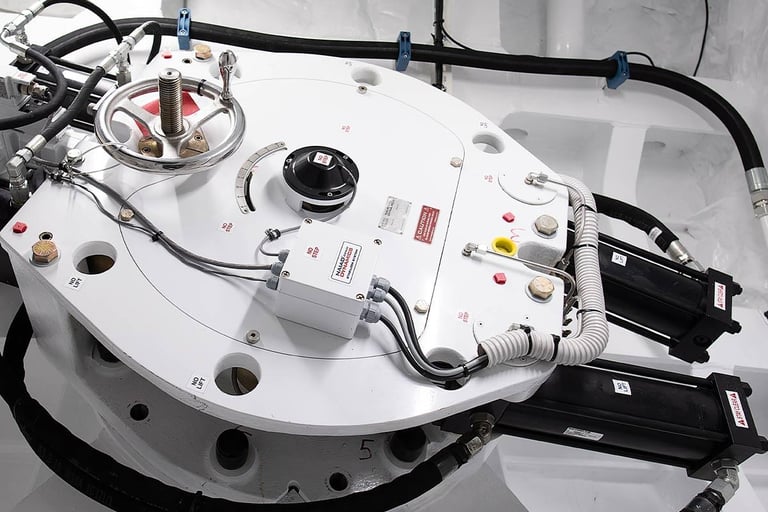
Active fins are among the most commonly used stabilizer systems. Equipped with movable fins attached to the hull, these systems actively counteract the movement of the yacht caused by waves. The fins deploy outwards and adjust their angle based on the boat's motion, ensuring that the yacht remains level and stable. The primary advantage of active fins is their effectiveness in reducing rolling motion, significantly enhancing onboard comfort. However, they may require more maintenance and can be impacted by sharp turns or docking.
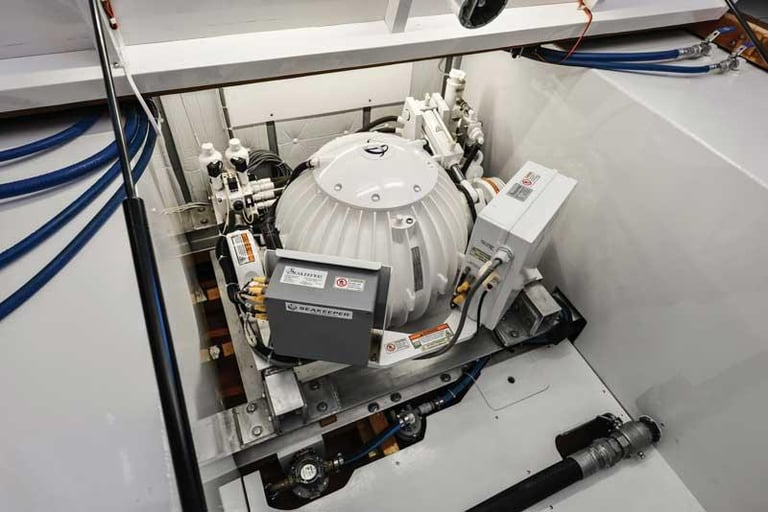
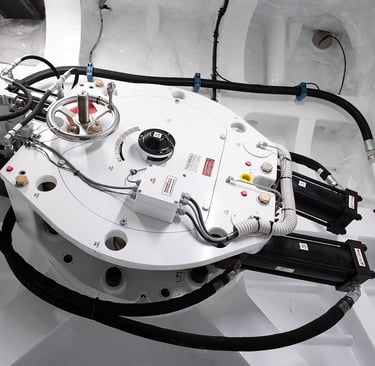
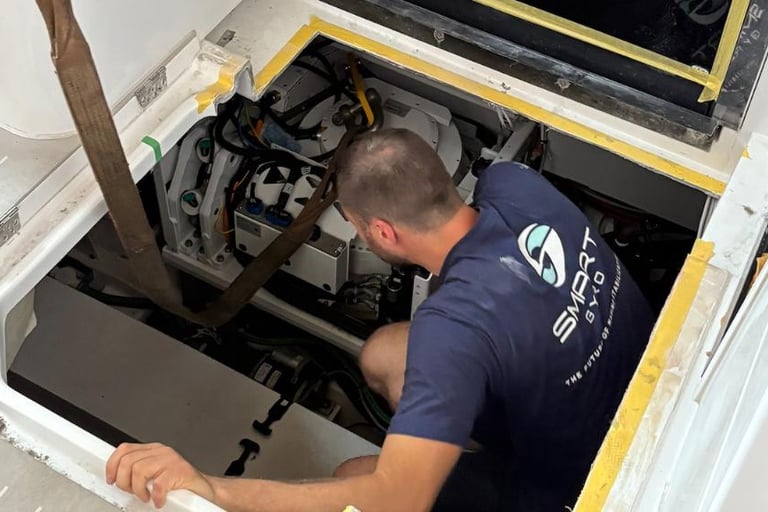
Gyroscopic systems, on the other hand, utilize a spinning flywheel to create gyroscopic inertia. When the yacht encounters lateral forces from waves, the gyroscope's torque counteracts the motion, stabilizing the vessel efficiently. These systems are known for their ability to provide immediate stabilization without the need for extensive physical appendages protruding from the yacht's hull. The main benefit lies in their compact design and the fact that they can function effectively even while the yacht is stationary. Nevertheless, they tend to be more expensive and may require significant space for installation.
Lastly, passive stabilization systems involve the integration of features into the yacht’s hull design, such as weighted keels or bilge keels that naturally resist rolling motion. While passive systems are generally more affordable and lower maintenance compared to active options, they may not provide the same level of comfort in rough sea conditions. Each stabilizer system has its advantages and drawbacks; the choice typically depends on the specific needs and preferences of yacht owners.
How Stabilizers Reduce Vessel Motion
Stabilizers play a crucial role in enhancing the comfort of passengers aboard yachts by mitigating unwanted motion such as roll and pitch. The primary operation of stabilizers revolves around concepts of physics, particularly angular momentum and gyroscopic effects. When a yacht is in motion, the action of waves can induce a rolling motion, which can be disorienting for passengers and lead to discomfort. Stabilizers counteract this motion by using mechanical or hydraulic systems designed to generate opposing forces against these movements.
One common type of stabilizer employs fins that extend into the water. By actively adjusting the angle of these fins, the system can create lift, effectively functioning as rudders. When the fins are angled into the water, they generate hydrodynamic forces that counteract the tilt of the yacht. This adjustment is dynamic; as conditions change, the fins respond instantaneously to maintain balance and stability. This real-time correction significantly diminishes rolling motion, allowing for a smoother cruising experience.
Another mechanism involves gyroscopic stabilizers, which utilize a spinning rotor mounted within the vessel. As the rotor spins, it generates angular momentum, resisting any changes to its orientation. This property allows the yacht to absorb rolling movements while maintaining a stable position. By employing advanced gyroscopic technology, these systems can effectively reduce vessel motion, ensuring that waves have minimal impact on the ship's stability.
The implementation of stabilizing systems undoubtedly correlates with increased passenger comfort. By reducing uncomfortable rolling and pitching, these systems allow for an enjoyable experience aboard, regardless of sea conditions. As a result, passengers can relax, socialize, or engage in various activities without the distraction of erratic movements, affirming the importance of stabilizers in modern yacht design.
Improving Passenger Comfort with Stabilizer Systems
Yacht stabilizer systems are increasingly recognized for their vital role in enhancing passenger comfort while cruising. These advanced technologies work by counteracting the natural motion of the yacht, effectively minimizing the impact of waves and wind. One of the primary benefits of stabilizer systems is their ability to significantly reduce seasickness, a common concern for many passengers. By creating a more stable environment, these systems allow individuals to relax and enjoy their time on the water without the discomfort associated with swaying or rolling.
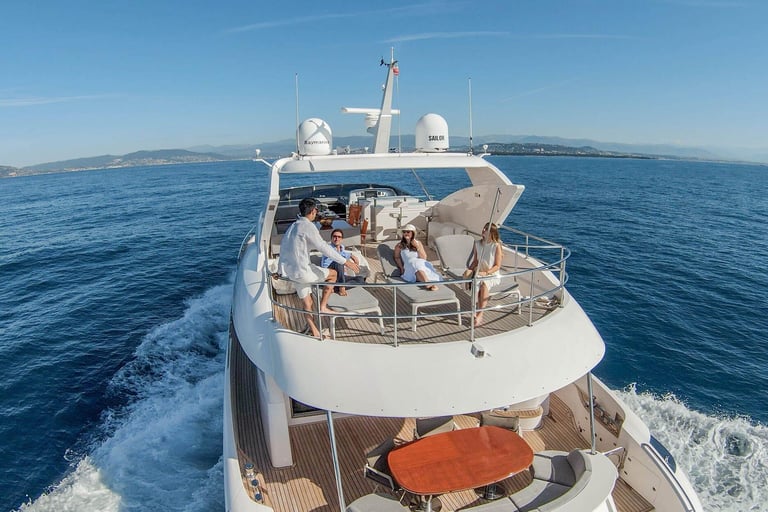
In addition to preventing seasickness, yacht stabilizers offer a smoother ride, enhancing the overall cruising experience. The feeling of being gently rocked by waves rather than tossed around leads to a more enjoyable and luxurious journey. Passengers onboard yachts equipped with stabilizing systems often report that they can engage in various activities—such as dining, socializing, or sunbathing—without being interrupted by the yacht's movement. This seamless blending of function and comfort transforms ordinary voyages into memorable experiences.
Anecdotal evidence from yacht users highlights the noticeable differences stabilizer systems make. For instance, a frequent yacht charterer shared, "We always prefer yachts with stabilizers; the comfort level just cannot be compared. It feels like you’re floating on a cloud, and we can spend hours enjoying the view without worrying about seasickness." This sentiment is echoed by many who appreciate the added stability provided by modern stabilizers. Ultimately, yacht stabilizer systems not only enhance passenger comfort but also redefine the standards for what it means to experience luxurious cruising on the water.
Impact on Overall Cruising Experience
The introduction of advanced yacht stabilizer systems has profoundly transformed the cruising experience for many yacht enthusiasts. These innovative systems serve not only to enhance stability on the water, but they also significantly improve the comfort level aboard, making every journey more enjoyable. By effectively reducing the motion experienced during rough seas, stabilizers mitigate the discomfort often associated with waves and turbulence, allowing passengers to relax and savor their time on board.
Furthermore, enhanced comfort provided by stabilizers encourages a variety of recreational activities that may be hindered on a non-stabilized yacht. Passengers can engage in dining, socializing, and even leisure activities, such as playing games or enjoying a good book, without the constant interruption of movement. The peace of mind that comes from the stability provided by these systems fosters an environment where guests can fully immerse themselves in the luxurious experience of yachting.
Moreover, yacht stabilizers play a crucial role in promoting relaxation. As the yacht remains steady, individuals on board can take in stunning ocean views, participate in water sports, or simply bask in the sun. This reduction in sea sickness not only enhances personal comfort but also contributes to a harmonious atmosphere, encouraging passengers to bond and enjoy the shared experience of adventure on the water.
In addition, advanced yacht stabilizer systems offer significant advantages during port docking and anchoring. The added stability ensures safer maneuvering, making entry and exit from various locations smoother. This added safety allows yacht owners and their guests to explore new destinations with confidence, ultimately enriching the overall cruising experience.
Maintenance and Considerations for Stability Systems
Implementing yacht stabilizer systems significantly enhances the comfort and overall experience on the water. However, maintaining these systems is crucial to ensure they function properly and provide the intended benefits. Regular maintenance checks not only prolong the lifespan of the stabilizers but also bolster their effectiveness in mitigating roll and improving stability.
One of the primary maintenance requirements for yacht stabilizer systems is routine inspections. Yacht owners should ensure that the stabilizers are examined regularly by qualified personnel. These inspections typically include checking for any signs of wear and tear, verifying hydraulic fluid levels, and ensuring that mechanical components are functioning smoothly. Additionally, keeping the stabilizer fins free from barnacles and other marine growth is essential for achieving optimal performance.
Servicing these systems is equally important. Most manufacturers recommend a specific service schedule, which may include changing filters, lubricating moving parts, and addressing minor repairs proactively. Owners should always adhere to these guidelines to mitigate the risk of unexpected failures during operation. Engaging with qualified technicians who specialize in stabilizer systems can provide valuable insights and timely interventions.
Despite the benefits, yacht owners might encounter several challenges while integrating stabilizer systems. These can range from installation complexities to compatibility issues with existing systems or vessel designs. It is vital for yacht owners to do thorough research and seek professional advice before investing in stabilizer technology. Moreover, consideration of the yacht's size, intended use, and budget plays a significant role in selecting an appropriate stabilizer system.
By embracing a proactive maintenance strategy and being aware of potential challenges, yacht owners can fully enjoy the advantages of advanced stabilizer systems while ensuring that their vessels remain safe and comfortable on the water.
Future of Yacht Stabilization Technology
The future of yacht stabilization technology is poised for remarkable advancements aimed at further enhancing on-board comfort and performance. As the demand for luxury and seamless cruising experiences increases, innovators in the maritime industry are exploring various cutting-edge solutions that promise significant improvements in stability and ride quality. One area of focused development is the incorporation of advanced materials. Lightweight composites and smart materials are being investigated for their potential to provide both strength and flexibility, ultimately enabling more responsive and efficient stabilization systems.
In addition to materials, next-generation designs are expected to emerge that integrate active control systems. These technologies use sensors and data analytics to respond dynamically to changing sea conditions. By continuously monitoring yacht motion, these systems can adjust the stabilizers in real-time, mitigating the effects of waves and enhancing stability. The integration of artificial intelligence is also on the horizon, potentially offering predictive stabilization where systems can preemptively adjust based on forecasted environmental conditions.
Furthermore, developments in gyroscopic stabilization technology show promise. Gyro stabilizers, which use rotational forces to counteract the rolling motion of a vessel, are evolving with increased efficiency and reduced energy consumption. Such advancements could make these systems more accessible to a wider range of yacht owners, not just those with higher budgets.
Renewable energy sources are another focal point in future yacht stabilizer innovation. The potential for harnessing wind or solar power to operate stabilization systems aligns with the growing emphasis on sustainability within the maritime sector. This approach could mitigate operational costs and lessen the environmental footprint of stabilizers.
Overall, the trajectory of yacht stabilization technology appears bright, with numerous promising avenues for exploration. Continuous innovation and research will likely yield breakthroughs that will redefine comfort and stability on the water, ensuring a smooth experience for all voyagers.
Get in touch
Address
13 north street
Weihai Shandong China
Contacts
+86 156 8454 3412
yacht.business48@gmail.com