
Hull Protection Solutions | Improve Marine Vessel Durability
Discover advanced hull protection solutions that reduce corrosion, prevent marine growth, improve vessel durability, and enhance long-term boating performance.
7/14/20268 min read


Introduction to Hull Protection Solutions
In the ever-evolving marine industry, hull protection solutions play a crucial role in ensuring the longevity and efficiency of vessels. As maritime activities grow, so do the challenges related to harsh environments, including saltwater corrosion, fouling organisms, and physical wear and tear. Thus, implementing effective hull protection strategies is essential for maintaining vessel integrity and performance over time.
Advanced hull protection technologies have revolutionized how vessel maintenance is approached. Traditionally, hull protection relied on physical barriers such as anti-fouling paints or sacrificial anodes. However, innovations in materials science and engineering have led to the development of more sophisticated coatings and protective systems. For instance, new polymer-based coatings provide superior resistance to corrosion and fouling, ultimately decreasing maintenance frequency and costs.
Additionally, these advanced technologies are designed to be environmentally friendly, addressing regulations concerning harmful substances often found in traditional products. The introduction of non-toxic antifouling solutions demonstrates a commitment to sustainability within the marine sector. Thus, hull protection solutions not only enhance durability but also align with global efforts to minimize ecological impacts.
Furthermore, monitoring systems integrated with hull protection technologies provide real-time data on vessel performance and surface conditions. These systems help operators to identify potential issues before they escalate, facilitating timely interventions that preserve the vessel's condition. The landscape of marine operations is shifting toward preventive maintenance models, strongly supported by these hull protection advancements.
In conclusion, hull protection solutions are pivotal in enhancing the durability and operational efficiency of vessels. By embracing innovative technologies, the marine industry can improve its overall performance and sustainability, paving the way towards a more resilient future at sea.
The Importance of Vessel Durability
Vessel durability is a critical aspect of marine operations that directly influences both economic performance and safety. In an industry characterized by high capital investments, the lifespan of a vessel has profound implications on overall operational costs. A durable vessel not only requires fewer repairs and maintenance but also reduces downtime, thereby maximizing operational efficiency. The enhanced longevity of vessels translates to higher returns on investment, as the initial capital expenditure is amortized over a longer period of productive service.
Harsh marine environments present unique challenges that heighten the need for durability in vessels. Factors such as saltwater corrosion, adverse weather conditions, and physical wear and tear can significantly diminish a vessel's lifespan. Vessels that are constructed with advanced hull protection solutions are better equipped to withstand these challenges, ensuring their operational safety and performance. For instance, innovations in antifouling technologies and protective coatings can mitigate the detrimental effects of marine organisms and corrosion, thereby enhancing the physical integrity of the vessel.
Furthermore, the durability of a vessel contributes to its overall performance capabilities. A robust vessel design not only enhances structural integrity but also contributes to improved seaworthiness and maneuverability, which are essential for safety in various marine operations. Vessels that maintain their integrity better are less prone to accidents, thus promoting safety for crew members and cargo. Enhanced durability, therefore, is a key factor in minimizing risks in marine transport, making it a vital consideration for shipbuilders and operators alike.
Innovative Materials Used in Hull Protection
In the realm of marine technology, the advancement of hull protection has led to the development and utilization of innovative materials that significantly enhance the durability and performance of vessels. Among these materials, advanced coatings, composite materials, and protective membranes stand out for their efficacy in addressing the challenges posed by environmental factors.
Advanced coatings, for instance, incorporate nanotechnology to create surfaces that are highly resistant to corrosion and abrasion. These coatings form a robust barrier that significantly mitigates the effects of harsh marine conditions. Moreover, the incorporation of hydrophobic properties can reduce drag, thereby improving fuel efficiency. Recent innovations in these coatings have enabled them to withstand biofouling, preventing the growth of barnacles and algae that can adversely affect vessel performance.
Composite materials represent another leap forward in hull protection. These materials, which typically combine two or more distinct substances to enhance their properties, offer significant weight savings while maintaining strength and durability. For example, the use of fiberglass-reinforced plastics allows for greater flexibility and resistance to impact, making them an ideal choice for both recreational boats and commercial vessels. Additionally, composite materials are less prone to corrosion compared to traditional metals, thus extending the lifespan of the vessel.
Protective membranes are yet another innovative solution gaining traction in the industry. These membranes can be applied as a thin film over the hull, providing an extra layer of protection against physical damage and environmental degradation. The advanced technologies involved in creating these membranes have resulted in products that can withstand various stresses while providing excellent adhesion and flexibility.
Overall, the integration of advanced coatings, composite materials, and protective membranes into hull designs contributes significantly to the longevity and operational effectiveness of vessels. As the industry continues to evolve, so too will the materials available, paving the way for enhanced marine performance and durability.
Technological Advancements in Hull Protection Systems
The maritime industry has witnessed significant progress in hull protection systems, owing to the integration of cutting-edge technologies aimed at enhancing vessel durability. This progress has not only focused on improving the longevity of hulls but also on streamlining maintenance processes. One of the most notable advancements is the development of smart coatings. These high-performance coatings offer superior protection against marine organisms, corrosion, and physical damage. They often contain nanoparticles that work to enhance the coating’s overall barrier properties, thereby increasing resistance to harsh marine environments.
Additionally, self-healing technologies have emerged as a groundbreaking innovation in hull protection. These systems utilize polymer chemistry to create materials that can autonomously repair themselves when damaged. Upon exposure to the environment, microcapsules embedded within the coating release healing agents, filling in the cracks and restoring the integrity of the protective layer. This self-healing capability significantly prolongs the lifespan of hull systems, minimizing the frequency and cost associated with manual repairs.
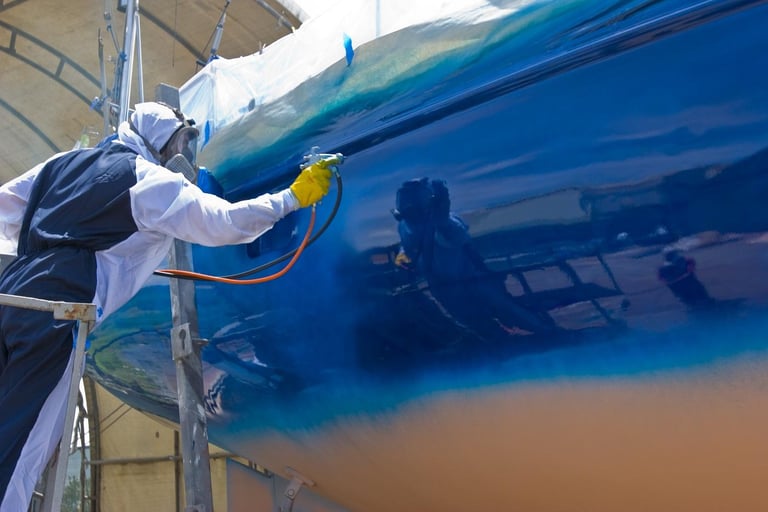
Another critical aspect of modern hull protection involves advanced application techniques. Techniques such as cold spray and 3D printing are becoming increasingly popular, facilitating precise application of protective materials. These methods not only ensure uniformity in coating thickness but also reduce the overall environmental impact by minimizing the waste of materials during application. Innovations in application techniques can further lead to faster dry times and enhanced bonding characteristics, resulting in more robust and effective hull protection systems.
Incorporating these technological advancements fosters a command over vessel maintenance and extends the operational lifespan of the hull, which is crucial for maintaining optimal marine performance. The growth of these innovations continues to reshape the approach to marine durability, ensuring that vessels remain protected against the rigors of ocean environments.
Environmental Considerations in Hull Protection
The environmental impact of hull protection solutions is a critical aspect that necessitates careful consideration. As marine operations evolve, there is an increasing need to adopt eco-friendly materials and practices that not only safeguard vessels but also protect marine ecosystems. Many traditional hull coatings contain harmful chemicals that can leach into the water, causing pollution and affecting aquatic life. Therefore, the shift towards sustainable alternatives is imperative.
Innovative hull protection technologies are being developed using bio-based and non-toxic materials. These eco-friendly coatings minimize the ecological footprint associated with vessel maintenance. For instance, some companies have introduced paint made from natural ingredients, which reduce harmful emissions during application and decomposition. Furthermore, the implementation of these advanced coatings can lead to improved fuel efficiency, as they often result in smoother surfaces that enhance vessel performance and lower resistance in water.
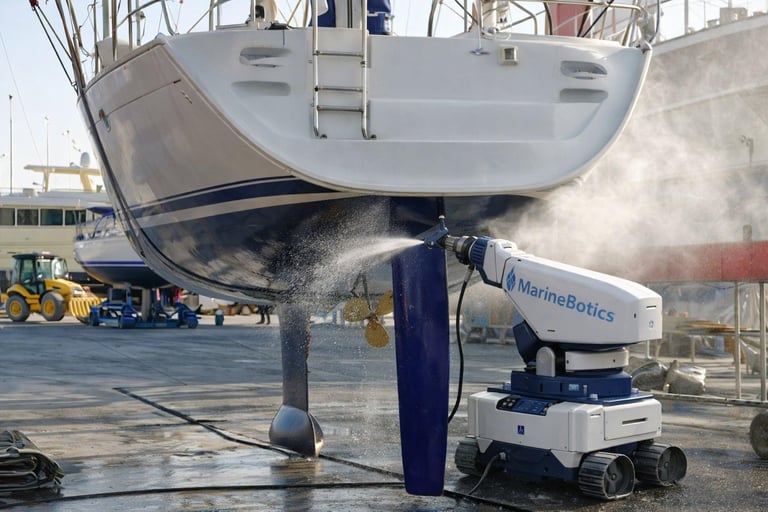
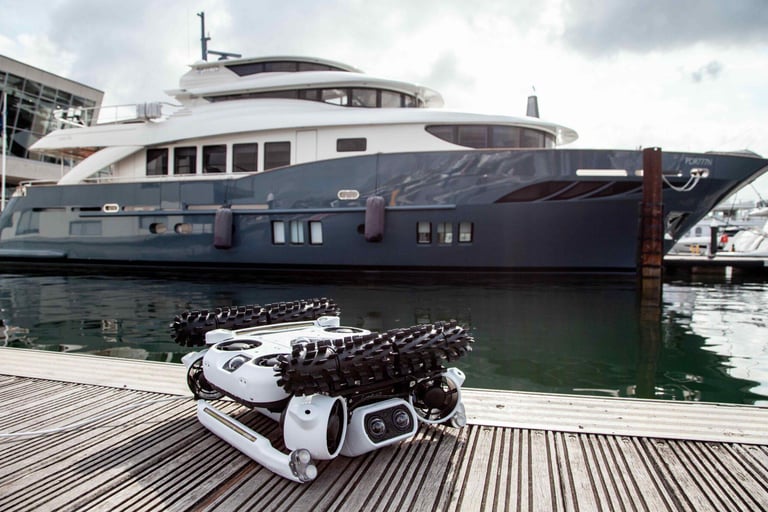
In addition to materials, sustainable practices in hull maintenance, such as the use of ultrasonic cleaning technology, are gaining traction. This method reduces the need for abrasive cleaning agents that can contribute to pollution. By leveraging these advanced techniques, the marine industry can take substantial steps toward reducing waste and enhancing sustainability.
Moreover, it's crucial to educate vessel operators and stakeholders about the advantages of environmentally friendly hull protection solutions. Their adoption not only fosters better marine health but also aligns with global efforts to combat climate change. By prioritizing eco-conscious practices in hull protection, the marine industry can ensure a balance between operational effectiveness and environmental stewardship, promoting a sustainable future.
Case Studies: Success Stories of Advanced Hull Protection
The marine industry has seen significant advancements in hull protection technologies, leading to enhanced durability and performance for various vessels. One noteworthy case is the application of advanced anti-fouling coatings on the 150-metre cruise ship, MS Serenity. This vessel implemented a state-of-the-art silicone-based coating specifically designed to reduce biofouling. As a result, the ship reported a 15% increase in fuel efficiency due to decreased drag and an extended maintenance interval, reducing the need for frequent dry docking.
Another exemplary case involves the cargo vessel, MV Titan, which underwent retrofitting with a hybrid hull protection system combining a durable polymer layer with a sacrificial anode. This enhanced system not only provided superior corrosion prevention but also contributed to a notable improvement in hull integrity. The MV Titan experienced reduced maintenance costs by approximately 30%, allowing for more operational time and increased profitability.
In the realm of fishing vessels, the trawler, Ocean Harvester, opted for a nanotechnology-based surface treatment known for its hydrophobic properties. This solution minimized drag, enhancing the vessel's overall speed and fuel consumption rates significantly. Post-implementation, the Ocean Harvester's owners reported a remarkable 20% reduction in fuel costs over a fishing season, alongside a decrease in cleaning expenses due to improved anti-fouling performance.
These case studies highlight the successful integration of advanced hull protection solutions across different vessel types, demonstrating their impact on improving long-term marine performance and reducing maintenance needs. The experiences of MS Serenity, MV Titan, and Ocean Harvester exemplify the trend towards innovative technologies that not only enhance operational efficiency but also contribute to sustainability within the maritime sector.
Future Trends in Hull Protection Solutions
As the maritime industry continues to confront evolving challenges, future trends in hull protection solutions are poised to transform vessel durability and performance. Innovative technologies, driven by the need for improved sustainability and increased environmental protection, are at the forefront of these developments. Furthermore, regulatory changes are expected to shape the materials and methods used in hull protection.
One notable trend is the advancement of eco-friendly coatings and materials. The transitional shift towards sustainable practices in maritime operations will likely push manufacturers to focus on bio-based or biodegradable hull coatings. Such solutions not only reduce environmental impact but also enhance the longevity of vessels without compromising performance. Research into nanotechnology also indicates the potential for developing stronger, thinner coatings that can self-heal, resulting in better protection against marine fouling, corrosion, and physical damage.
Another emerging trend is the integration of technology, particularly sensors and predictive analytics, into hull protection strategies. Smart sensors could provide real-time data on hull integrity, enabling early detection of wear and tear or invasions by marine organisms. This integration would allow vessel operators to perform predictive maintenance, extending the lifespan of the hull and ultimately improving the overall efficiency of maritime operations.
Moreover, the industry will likely adapt to increasing maritime traffic and the operational demands it entails. Enhanced hull protection solutions will be imperative in ensuring that vessels can withstand higher operational pressures without suffering from degradation. Strategies may include reinforced structures or additional layers of protective materials tailored to the unique stresses faced by ships in busy shipping lanes.
In conclusion, the future of hull protection solutions will be characterized by innovation driven by regulatory requirements, environmental considerations, and the need for enhanced vessel performance in the face of climate change. As the maritime sector evolves, these new trends will play a pivotal role in ensuring the durability and efficiency of vessels, highlighting the importance of adapting to the demands of a changing industry.
Get in touch
Address
13 north street
Weihai Shandong China
Contacts
+86 156 8454 3412
yacht.business48@gmail.com