
Marine Equipment for Extreme Ocean Conditions and Long-Term Vessel Reliability
Discover premium marine equipment engineered for extreme ocean conditions. Improve vessel reliability, safety, durability, and long-term performance for yachts, boats, and commercial marine applications.
7/15/20268 min read


Introduction to Marine Equipment
Marine equipment plays a vital role in ensuring the efficiency, safety, and reliability of maritime operations. This category encompasses a wide range of tools and devices specifically designed for use in marine environments, which are often characterized by harsh weather conditions and unpredictable waves. From navigation systems to safety gear, each component of marine equipment is engineered to enhance the operational capabilities of vessels while providing essential support for crews and passengers.
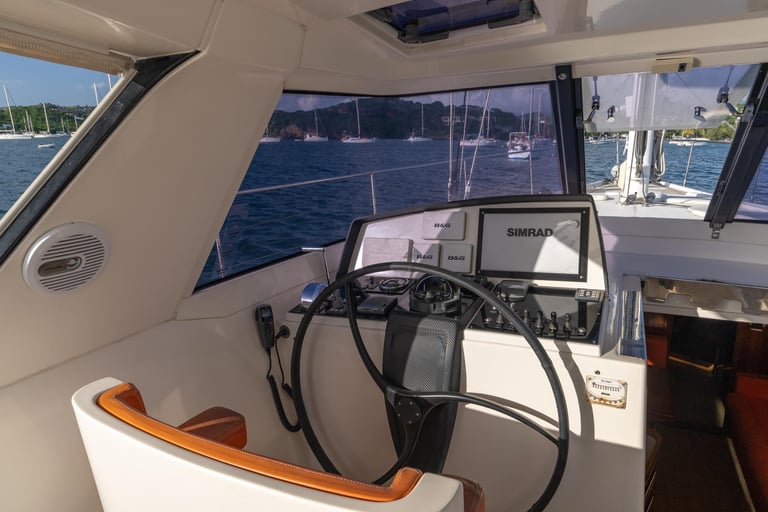
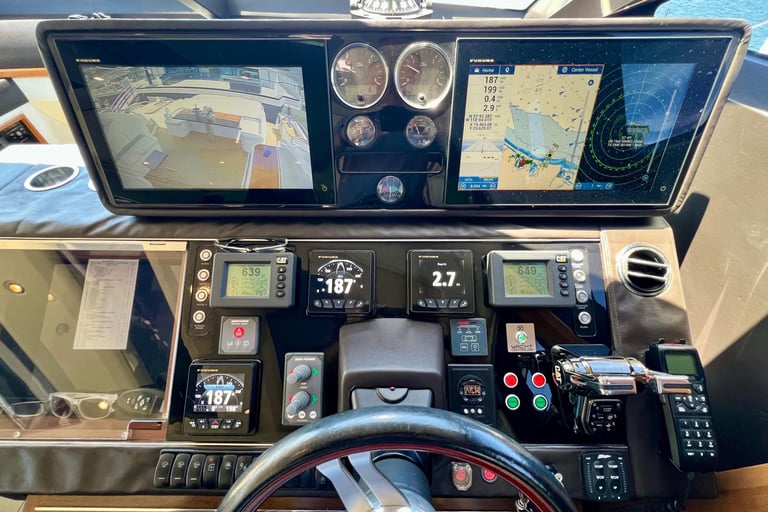
The importance of marine equipment becomes particularly evident when considering its role in enabling precise navigation. Advanced technologies like GPS systems and radar allow vessels to traverse vast oceans safely, minimizing the risk of accidents and enhancing route planning. Additionally, equipment such as sonar systems aids in underwater navigation and exploration, which are crucial for both commercial and recreational maritime activities.
Safety is another critical aspect that marine equipment addresses. Life jackets, fire extinguishers, and emergency beacons are examples of safety gear that protect lives during marine operations, especially during unforeseen circumstances. Furthermore, equipment designed to withstand extreme ocean conditions—from buoyancy aids to reinforced hull materials—ensures that vessels remain seaworthy even in the most challenging environments. This resilience is essential for long-term vessel reliability, as it contributes to the longevity and operational integrity of the equipment.
Ultimately, the integration of specialized marine equipment not only enhances efficiency in maritime operations but also significantly mitigates risks, ensuring that all activities conducted at sea are safe and effective. As the maritime industry continues to evolve, the demand for innovative, durable equipment that can endure severe oceanic challenges will become increasingly critical.
Understanding Extreme Ocean Conditions
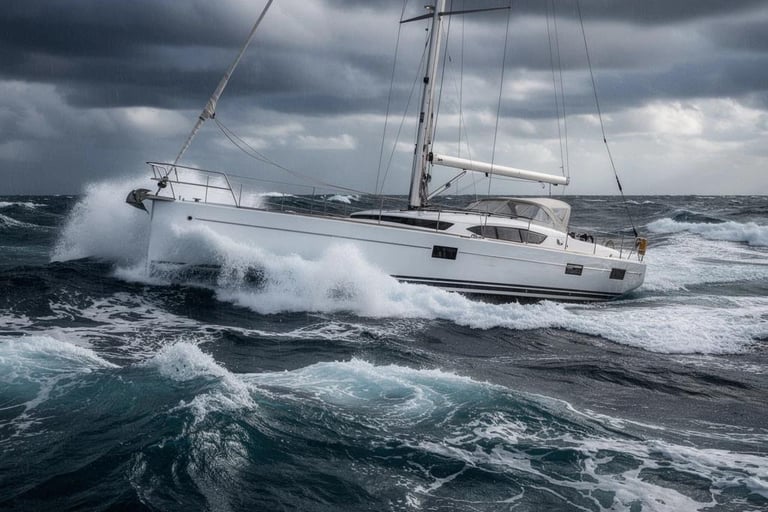
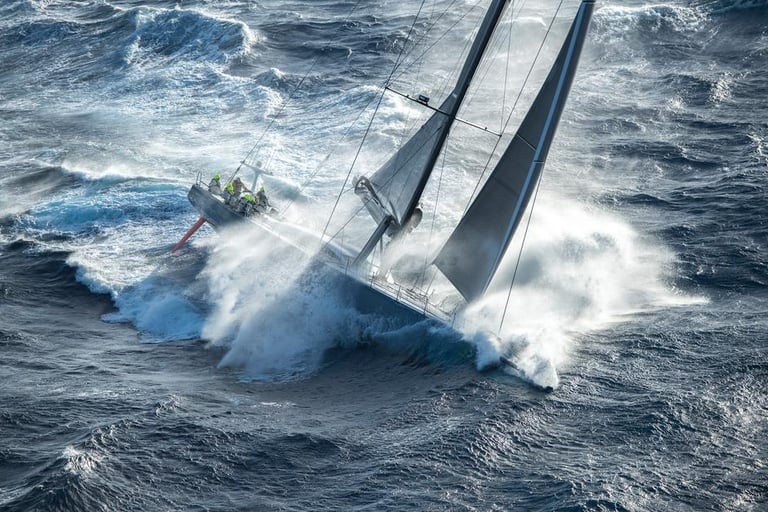
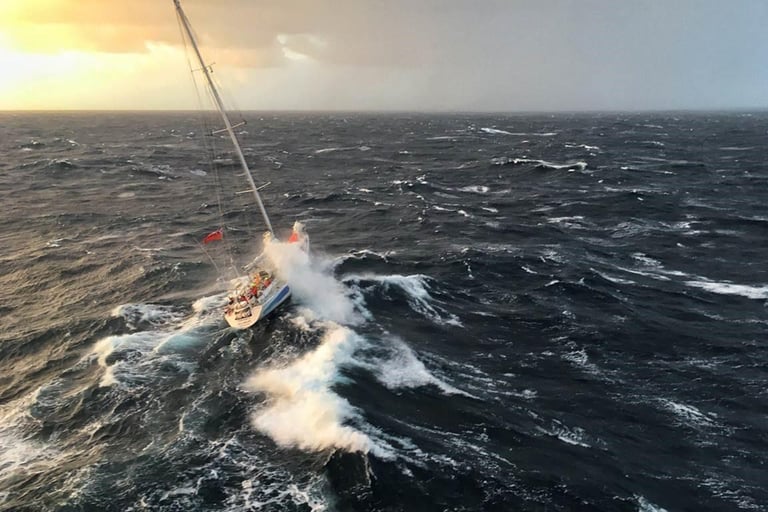
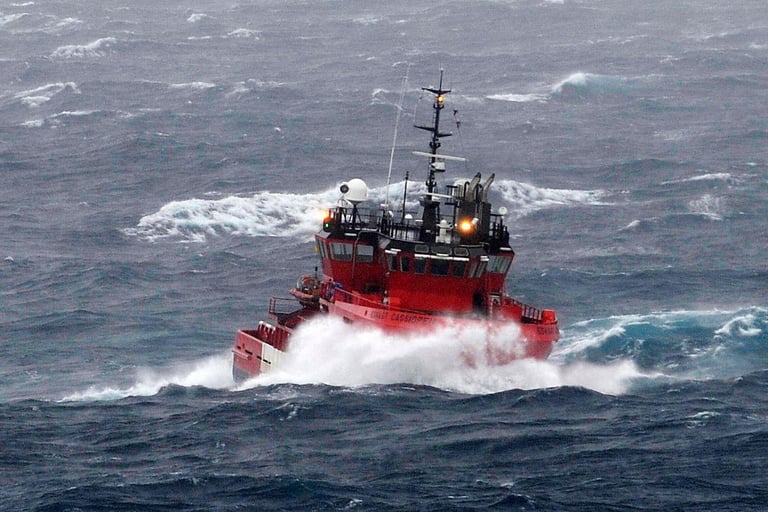
Extreme ocean conditions present significant challenges for vessels navigating through difficult environments. Among these conditions, high waves, strong currents, and harsh weather patterns are particularly critical factors that can adversely affect maritime operations. High waves, typically exceeding five meters, can create dangerous conditions for vessels. Such waves exert tremendous forces on a ship’s hull, leading to potential structural damage and compromising maritime safety if not addressed with appropriately designed marine equipment.
Additionally, strong currents can alter the vessel's navigational path, making it difficult for crews to maintain course. These currents can arise from natural phenomena such as tides or wind patterns, requiring ships to be equipped with advanced navigation systems and powerful engines capable of counteracting these forces. Understanding the behavior of these currents is crucial for effective voyage planning and execution.
Harsh weather conditions, including storms, fog, and extreme temperatures, add another layer of complexity. These factors can not only impair visibility but also affect steering and control. For instance, icy conditions prevalent in Arctic regions necessitate the use of ice-strengthened hulls, while tropical seas may demand anti-corrosion treatments for equipment and vessels due to constant exposure to saltwater and intense heat.
Furthermore, environments such as the Arctic require specialized equipment adaptations to withstand extreme cold, while vessels operating in tropical seas must account for the potentially rapid weather changes. The selection of marine equipment suitable for these extreme conditions is vital in ensuring vessel reliability and crew safety. Equipments like reinforced hulls, advanced weather detection systems, and reliable anchoring technology are essential for mitigating the risks associated with these challenging environments, thus promoting operational efficiency and safety.
Key Features of Reliable Marine Equipment
Marine equipment utilized in extreme ocean conditions must exhibit distinct features that ensure both performance and longevity. One of the primary attributes is corrosion resistance. Equipments such as anchor chains, hull fittings, and marine fasteners are often exposed to saltwater, which can significantly accelerate wear and degradation. Utilizing materials like high-grade stainless steel is essential, as it offers enhanced resistance to corrosion due to its chromium content, which forms a protective layer on the metal surface.
Another crucial feature of reliable marine equipment is durability. Marine environments can be unpredictable, presenting challenges like rough seas and extreme weather conditions. This necessitates the use of robust components that can withstand substantial mechanistic and physical stresses. Equipment made from advanced composites or treated metals can improve the lifespan and operational capability, thus affirming reliability in unpredictable scenarios.
Additionally, maintenance ease is a vital consideration. Marine equipment that is designed for straightforward maintenance tasks encourages regular checks and servicing, ultimately prolonging the equipment's life. For instance, equipment that allows for easy disassembly or has accessible components for refurbishment will be more relied upon, as it simplifies the upkeep process.
Lastly, the versatility of marine equipment is an essential feature. In oceanic environments, adapting to various conditions is critical. Equipment designed with multi-functional applications in mind allows vessels to perform multiple tasks without the need for extensive modifications or replacements. These features collectively ensure that marine equipment achieves long-term reliability in extreme operational situations.
Innovative Technologies in Marine Equipment
In recent years, the marine industry has witnessed a significant transformation driven by innovative technologies, particularly tailored to withstand extreme ocean conditions. One of the major advancements includes the development of sophisticated GPS systems that integrate advanced weather tracking capabilities. These systems enable vessels to anticipate changing weather patterns, thereby enhancing navigational accuracy and improving safety during voyages in turbulent seas.
Additionally, the introduction of resilient hull materials has revolutionized vessel construction. Innovations such as composite materials and advanced alloys have led to hulls that not only resist corrosion but also provide increased durability against harsh environments. These materials significantly contribute to the longevity of vessels, ensuring that they can operate effectively over extended periods without succumbing to the wear and tear typically associated with marine operations.
Energy-efficient propulsion technologies represent another crucial development in maritime innovation. With a growing emphasis on sustainability, propulsion systems are being designed to minimize fuel consumption while maintaining optimal performance levels. Hybrid systems, which combine conventional engines with electric power, are gaining popularity as they offer reduced emissions and enhanced efficiency. This shift toward greener technology is not only beneficial for the environment but also supports operational reliability by lowering operational costs.
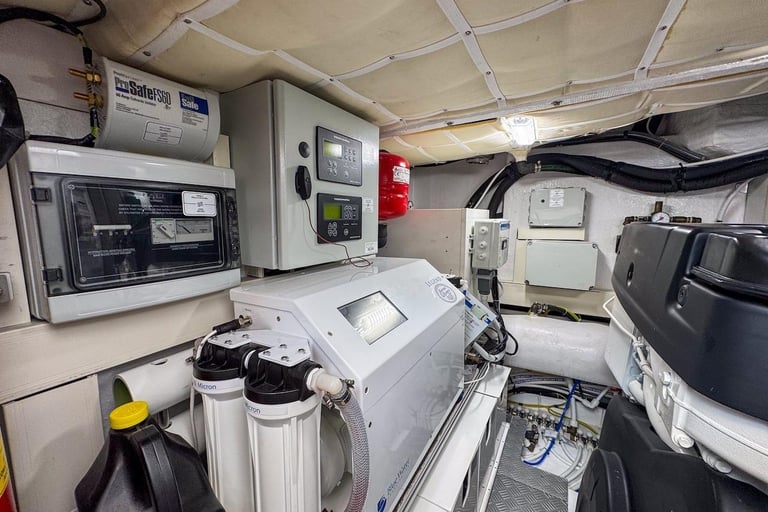
Furthermore, the integration of digital monitoring systems within marine equipment allows for real-time performance assessments. By utilizing sensors and data analytics, vessel operators can monitor critical parameters such as fuel efficiency and equipment health. This proactive approach enables timely maintenance interventions, reducing the likelihood of failures during critical missions.
Collectively, these innovative technologies are pivotal in enhancing the operational reliability of vessels in extreme ocean conditions. They equip operators with tools essential for navigating challenges while promoting sustainability within the marine sector.
Case Studies of Extreme Marine Conditions
Vessels operating in extreme marine environments often encounter a variety of challenges that can put their reliability and performance to the test. Numerous case studies have documented incidents where marine equipment played a critical role in determining the outcomes of these situations. One notable case involved a research vessel operating in the Antarctic region, where ice conditions were severe. The vessel utilized reinforced hull materials and specialized ice navigation systems, which facilitated safe transit through thick ice fields. However, an unexpected ice shoving incident caused minor hull breaches. This led to a thorough assessment of the vessel’s equipment choices and highlighted the importance of real-time monitoring systems to enhance safety.
Another example comes from a cargo ship traversing the North Atlantic during winter. The ship faced extreme winds and massive waves. Equipped with dynamic positioning systems and heavy-duty stabilizers, the vessel performed admirably, successfully delivering its cargo despite the harsh conditions. The performance of the marine equipment was praised, but the ship’s crew noted that the engine's fuel efficiency suffered due to prolonged exposure to rough seas, which in turn raised operational costs. This case serves as a reminder of the balance between equipment capability and operational efficiency.
A further case study involved an offshore oil platform deployed in the Gulf of Mexico, which faced rigorous hurricane conditions. The structure’s resilience was largely attributed to advanced mooring systems and flexible riser technologies. These innovations allowed the platform to withstand extreme weather events while minimizing damage. Post-event evaluations underscored the significance of investing in cutting-edge marine equipment that could cope with unpredictable environments, reinforcing that preparation is essential for operational success in extreme marine conditions.
Through these case studies, it is evident that the selection and performance of marine equipment can profoundly affect the safety and reliability of vessels in extreme conditions. The lessons learned from these incidents provide valuable insights for future operations and equipment developments.
Future Trends in Marine Equipment Design
The marine equipment industry is on the cusp of significant transformation, driven by emerging technologies and a growing emphasis on sustainability. As the maritime sector grapples with environmental concerns and operational efficiency, future trends in marine equipment design are expected to reflect these priorities. One notable direction is the integration of smart technology, enabling vessels to operate more efficiently and safely. By utilizing advanced sensors and artificial intelligence, marine equipment can monitor performance in real-time, predict maintenance needs, and enhance decision-making processes. This integration not only improves vessel performance but also contributes to optimizing fuel consumption, thereby reducing environmental impact.
Another key trend involves the push towards greater sustainability. Manufacturers are increasingly focusing on developing marine equipment that minimizes ecological footprints. This includes utilizing eco-friendly materials and designing systems that reduce pollutant emissions. The advent of hybrid and electric propulsion systems represents a major step towards achieving more sustainable marine operations. These innovations not only comply with tightening regulations but also appeal to a market growing more conscious of environmental stewardship.
Increased automation is also set to play a crucial role in the evolution of marine equipment design. The incorporation of automated systems can enhance safety and efficiency, particularly in extreme ocean conditions. As equipment becomes more autonomous, it allows for remote monitoring and control, which is invaluable in hazardous situations where human intervention may be risky. This development will not only improve vessel reliability but also reshape operational dynamics in the maritime industry.
Through these advancements in marine equipment design, companies can anticipate a future characterized by more resilient, responsive, and responsible maritime operations, ultimately ensuring long-term reliability in extreme ocean conditions.
Conclusion and Best Practices
In light of the discussions surrounding marine equipment designed for extreme ocean conditions, it is evident that the choice of equipment significantly influences the operational reliability and safety of vessels. Selecting the right equipment not only ensures compliance with safety regulations but also enhances the efficiency of marine operations in challenging environments. The resilience of marine technology is paramount; therefore, careful consideration must be afforded to the design, construction materials, and maintenance practices associated with such equipment.
To maximize the longevity and reliability of marine vessels, operators should adopt a proactive approach to technology investment. First, conducting thorough research on equipment specifications and performance under extreme circumstances is crucial. It is advisable to consult with manufacturers known for their expertise in producing equipment tailored to withstand harsh marine conditions. Additionally, operators should seek equipment that boasts certifications from reputable marine regulatory bodies, ensuring adherence to industry standards.
Furthermore, regular inspection and maintenance of marine equipment are indispensable practices. Establishing a routine maintenance schedule not only aligns with best practices but also preemptively addresses potential equipment failures that may arise during intense weather conditions. Training crew members on proper handling and emergency procedures also plays a pivotal role in enhancing the overall safety of maritime operations.
Ultimately, investing in high-quality marine technology, engaging in regular maintenance, and training personnel are all best practices that contribute to the reliability of vessels navigating extreme ocean conditions. By adhering to these principles, operators can ensure that their marine equipment not only meets the demands of rigorous environments but also supports the long-term sustainability of their maritime endeavors.
Get in touch
Address
13 north street
Weihai Shandong China
Contacts
+86 156 8454 3412
yacht.business48@gmail.com