
The Importance of High-Quality Marine Hinges for Boat Applications
Discover why high-quality marine hinges are essential for boats. Explore durable stainless steel boat hinges designed for corrosion resistance, strength, and long-lasting marine performance.
7/18/20268 min read
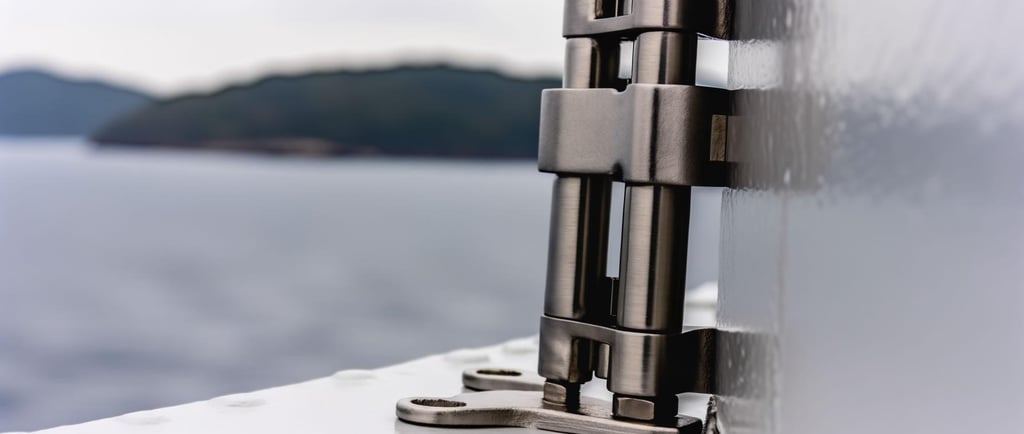
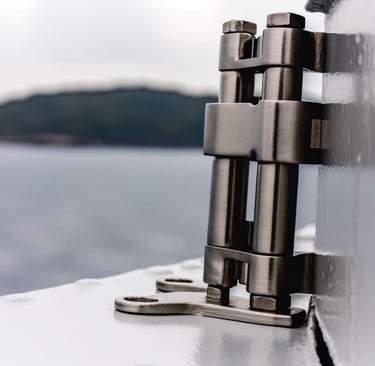
Understanding Marine Hinges: What They Are and Why They Matter
Marine hinges are specialized hardware components designed specifically for use in maritime environments. Unlike standard hinges, which may be suitable for indoor applications, marine hinges must withstand the unique challenges posed by moisture, saltwater, and fluctuating temperatures. These hinges serve critical functions such as allowing doors, hatches, and compartments on boats to open and close smoothly while ensuring they remain securely fastened during navigation.
The design and materials of marine hinges set them apart from their standard counterparts. Typically constructed from marine-grade stainless steel or bronze, these hinges resist corrosion and wear, ensuring longevity and consistent performance in harsh conditions. Many marine hinges also feature self-lubricating properties, which significantly reduce maintenance needs and enhance operational reliability. Additionally, their designs are often more robust, accommodating the vibrations and movements experienced on a boat and providing an essential layer of safety for crew and passengers alike.
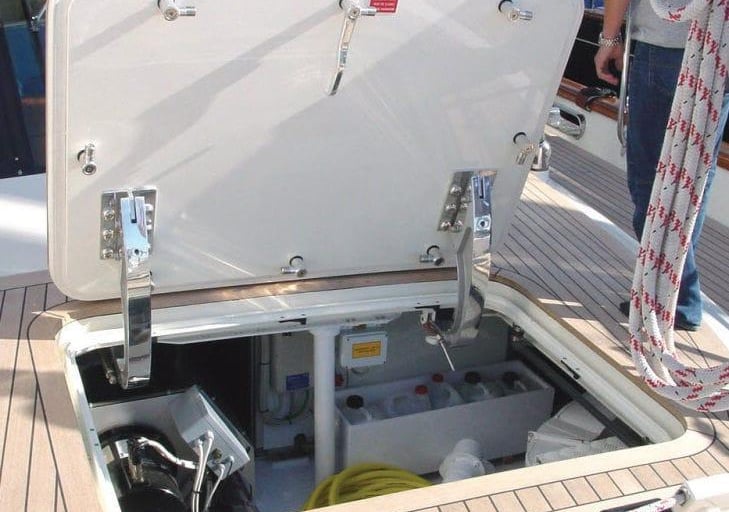
High-quality marine hinges play a vital role in the overall functionality of a vessel. They contribute to the ease of accessibility for various compartments and systems onboard. Whether it’s an engine hatch, storage locker, or access door, dependable hinges ensure that these openings can be securely closed during travel while still being easy to operate. Furthermore, quality marine hinges are engineered to support the weight and stress associated with constant exposure to the marine environment, promoting both durability and safety. Therefore, investing in the right marine hinges is not just a matter of convenience; it is an essential consideration for any boat owner or manufacturer, ultimately impacting vessel performance and occupant safety.
Key Features of High-Quality Marine Hinges
High-quality marine hinges are essential components in boat applications, ensuring efficient function and durability. Among the critical features defining these hinges are corrosion resistance, load capacity, ease of installation, and maintenance requirements. Each of these characteristics plays a pivotal role in the performance of marine hinges, which are frequently exposed to harsh marine environments.
Corrosion resistance is perhaps the most crucial attribute, as hinges are often subject to saltwater exposure, which can lead to rapid deterioration. Stainless steel and aluminum are commonly used materials in the manufacturing of marine hinges, as they offer excellent resistance to rust and corrosion. Marine-grade stainless steel, in particular, is engineered to withstand the rigors of the marine environment, making it a preferred choice among boat manufacturers. Aluminum, on the other hand, is lightweight and resistant to corrosion, providing an alternative that is both economical and functional.
Load capacity is another significant factor to consider. High-quality marine hinges are designed to support substantial weights, ensuring that doors, hatches, and other components remain secure under load stress. This feature is vital for maintaining the safety and functionality of the boat, as inadequate load-bearing can lead to hinge failure during operation.
Additionally, ease of installation is essential for marine hinges. High-quality designs often incorporate user-friendly features that simplify installation, reducing the time and effort required for assembly. Maintenance requirements also play a role in the longevity and efficiency of these hinges. Quality hinges typically demand less maintenance, allowing boat owners to spend more time enjoying their vessel and less time on repairs and upkeep.
Types of Marine Hinges for Different Applications
Marine hinges are essential components in the design and functionality of various boat applications, ensuring durability and reliability in diverse marine environments. There are several types of marine hinges, each tailored to specific needs and situations on board.
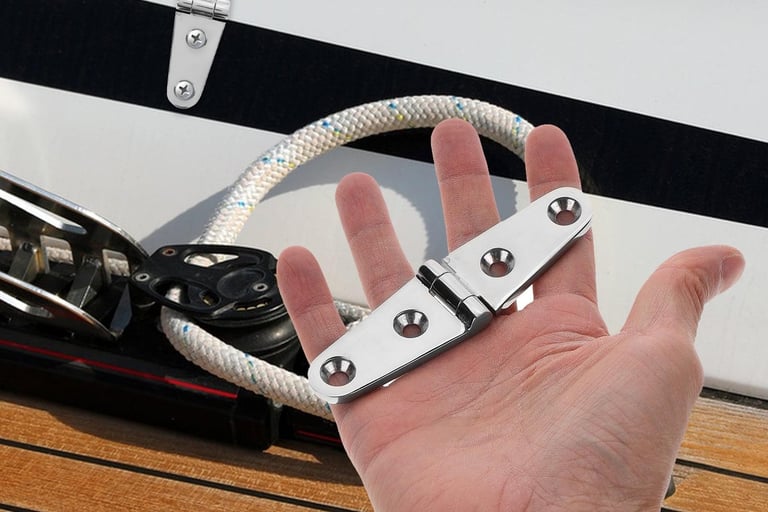
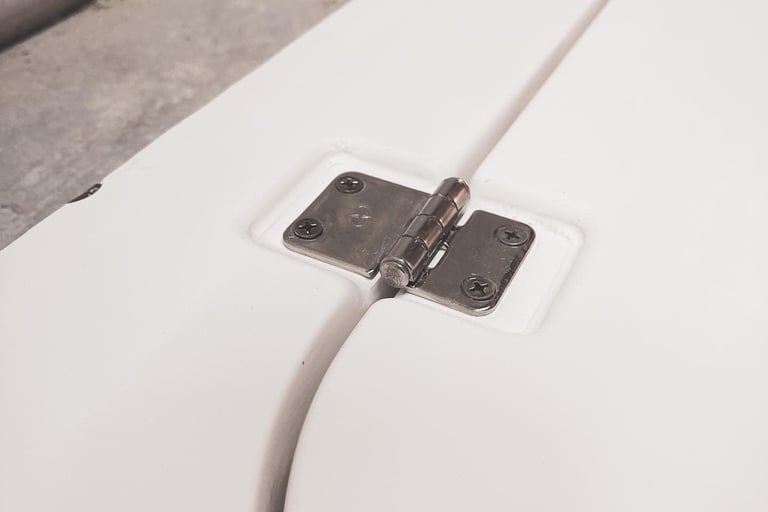
One common type is the butt hinge, which comprises two rectangular plates connected by a pin. This hinge is commonly used for boat doors and compartments, providing a robust solution for applications that require a pivot point without compromising structural integrity. Its simple design and effectiveness make it a popular choice among boat builders.
Another widely utilized option is the piano hinge, often referred to as continuous hinges. This type extends the full length of the door or hatch, distributing weight evenly across the surface. Piano hinges are especially advantageous for larger openings, such as engine compartments and large hatches, where additional support is critical. Their continuous design enhances strength and allows for smooth operation, making them ideal for marine environments.
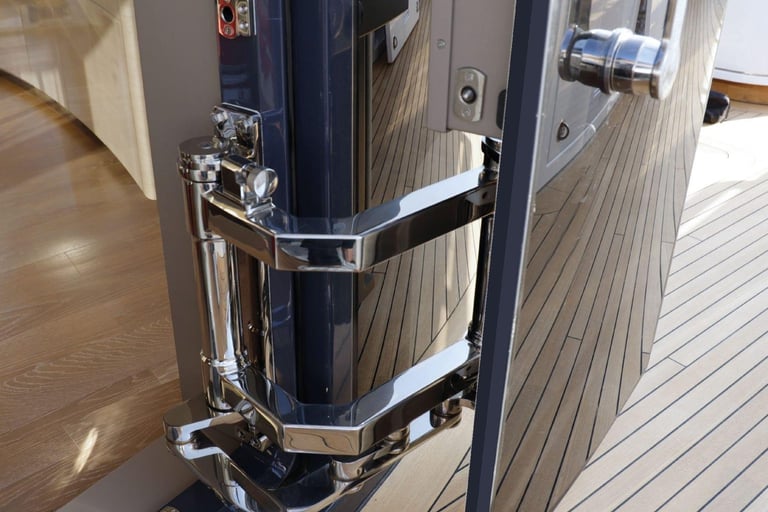
Concealed hinges are yet another variant, designed for applications where aesthetics matter. These hinges are embedded within the door or hatch, making them invisible when closed. Concealed hinges are commonly used in boat cabinets and storage compartments, offering a clean look while still ensuring functional adequacy. They help to preserve the sleek lines of the marine craft without compromising on performance.
Each type of hinge is engineered to meet specific marine needs, considering factors such as weight distribution, aesthetic appeal, and exposure to harsh elements. Understanding the distinct characteristics of these hinges is vital for selecting the appropriate type for various applications, which ultimately enhances the overall functionality and safety of the vessel.
Choosing the Right Marine Hinge for Your Boat
Selecting the appropriate marine hinge for your boat is crucial for ensuring both functionality and durability. Various factors must be considered when making this decision, including weight load, environmental exposure, and aesthetic preferences. Firstly, assess the weight load that the hinge will need to support. Marine hinges come in different sizes and strengths, designed to manage varying weights. For heavier lids, doors, or compartments, choose a heavy-duty hinge that can withstand the stress and maintain smooth operations over time.
Secondly, evaluate the environmental conditions of your boating activities. Marine environments can be harsh, with exposure to saltwater, humidity, and UV rays. Therefore, it is advisable to select marine hinges made from corrosion-resistant materials such as stainless steel or bronze. These materials not only enhance longevity but also prevent frequent maintenance. Furthermore, consider hinges that feature protective coatings to combat wear from sand and salt.
Aesthetic considerations also play a role in hinge selection. Choose designs and finishes that match the overall look of your boat. Hinges are available in various styles and colors, allowing you to enhance the appearance of your vessel while ensuring functionality. Moreover, ensure the hinge design aligns with the specific application it will be used for, such as a piano hinge for long continuous surfaces or a concealed hinge for a sleek, hidden look.
Finally, ensure that the selected hinge allows for easy installation and operation. Consider the mounting method and the space available on your boat, as appropriate sizing and fitting are fundamental in securing proper function. By carefully weighing these factors, you will be well-equipped to choose the right marine hinge that meets your boat’s needs, combining efficiency with style.
Installation Tips for Marine Hinges
When it comes to installing marine hinges on your boat, properly executed installation can enhance the functionality and longevity of the hinges. Before commencing the installation, it is essential to gather the necessary tools. Basic tools required typically include a drill with suitable bits, a screwdriver, measuring tape, and a level. Additionally, having a set of clamps may assist in securing the hinge while you mark the installation points.
One common mistake to avoid is miscalculation of hinge placement. Accurate measurements are crucial; measure twice and drill once to ensure a secure fit. Misaligned hinges can lead to complications when the door or hatch is in use, potentially causing wear and leading to premature failure. To prevent this, it is wise to use a level during installation to guarantee that everything is aligned correctly.
Another pivotal aspect is the material you choose for screws; selecting corrosion-resistant screws is vital for marine applications. Stainless steel screws are generally recommended due to their durability and resistance to rust, which is often exacerbated by exposure to saltwater. Ensure that the screws are of appropriate length to penetrate both the hinge and the substrate material securely.
When installing the hinges, it's optimal to install them on a flat, stable surface. This will not only ease the task but also ensure consistent alignment across the installation. For DIY enthusiasts, installing marine hinges can prove successful provided you adhere to careful measurements and use quality materials. However, if the installation seems overwhelming or if you’re modifying critical elements of your boat, consulting with a marine professional is advisable to avoid costly mistakes and ensure safety.
Maintenance and Care for Marine Hinges
Marine hinges play an essential role in the functionality and safety of boats, necessitating regular maintenance practices to enhance their lifespan and performance. The harsh marine environment, characterized by saltwater, humidity, and varying temperatures, can significantly impact these components if not properly cared for.
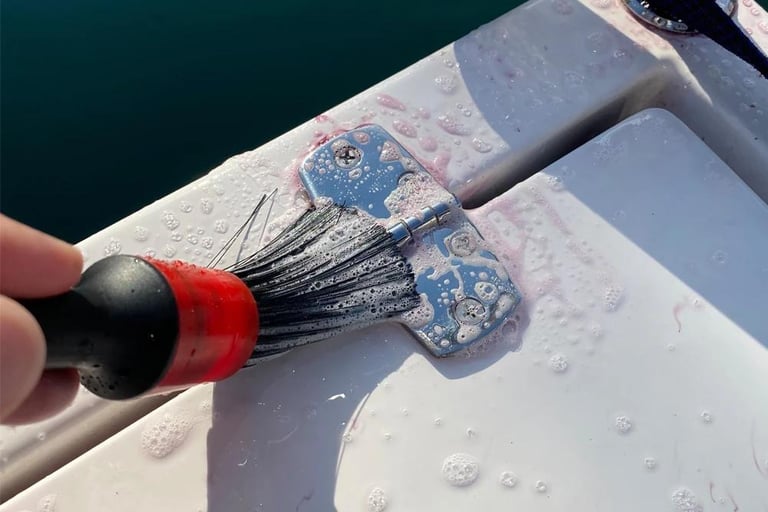
A regular cleaning routine is fundamental in maintaining marine hinges. Owners should routinely wipe down hinges with fresh water to remove salt deposits and other corrosive materials. Utilizing a soft brush can aid in cleaning tough-to-reach areas and prevent the buildup of grime that may impede hinge operation. It is advisable to perform this cleaning after each outing, especially in saltwater settings.
Lubrication is another critical aspect of marine hinge maintenance. Applying a suitable marine-grade lubricant can ensure smooth operation and protect against corrosion. Reputable manufacturers often recommend specific lubricants designed explicitly for use in marine conditions; users should check compatibility before proceeding. Regularly lubricating the hinges, and ensuring that they remain free of excessive debris will help avoid malfunctions.
It is also vital to monitor for signs of wear and tear. This includes checking for rust spots, which might indicate corrosion, as well as any unusual noises during operation, which could signal issues with the hinge mechanism. Should any problems arise, addressing them promptly can prevent more significant damage and ensure continued functionality.
Lastly, when inspecting marine hinges, it is essential to ensure that all screws and fasteners are secure. Loose components can lead to misalignment and waste the effort put into maintenance. By adhering to these best practices, boat owners can prolong the life of their marine hinges, thereby contributing to the overall safety and reliability of their vessels.
Innovations in Marine Hinge Technology
Recent advancements in marine hinge technology have significantly improved the performance and longevity of hinges used in various boat applications. Traditionally, marine hinges faced challenges such as corrosion due to exposure to saltwater and physical stress from frequent use. However, the introduction of innovative materials and designs has transformed how these components are engineered. Modern marine hinges are now frequently crafted from corrosion-resistant alloys, stainless steel, and composite materials that offer enhanced durability and resilience against marine environments.
One notable innovation is the development of composite hinges that incorporate advanced polymers. These composite materials are not only lightweight but also provide excellent resistance to extreme temperature fluctuations, thereby minimizing the risk of failure. Such materials have allowed for the creation of hinges that are more flexible and can better accommodate the dynamic nature of a vessel in motion, further bolstering their reliability.
Additionally, emerging hinge designs utilize new mechanisms, such as self-lubricating features and enhanced pivot points, which reduce wear and tear over time. These mechanisms promote smoother operation while requiring less maintenance, thereby providing boat owners with a hassle-free experience. The incorporation of precision engineering and computer-aided design has also led to the creation of custom hinges that are specifically tailored to fit various boat designs, ensuring optimal functionality.
The trends in the marine industry are steering towards these innovative solutions which not only improve hinge performance but also align with sustainability goals. As more boat manufacturers recognize the importance of high-quality marine hinges, owners are increasingly benefitting from advancements that enhance the overall safety and longevity of their vessels. With these developments, boat applications are better equipped to withstand the rigors of the maritime environment while providing reliable functionality.
Get in touch
Address
13 north street
Vientiane Capital, Laos
Contacts
+856 20 97 510 070
yacht.business48@gmail.com