
Premium Stainless Steel Boat Cleats | Marine Dock Cleats Guide 2026
Discover premium Stainless Steel Boat Cleats for secure docking, superior corrosion resistance, and long-lasting marine performance. Choose durable boat cleats designed for safety and reliability in all marine conditions.
7/17/20268 min read


Introduction to Boat Cleats
Boat cleats are essential fittings that play a critical role in securing vessels to docks, piers, or moorings. These fixtures provide a reliable anchor point for docking lines, enabling sailors and boaters to tie up their vessels safely. The availability of various designs, sizes, and materials allows boaters to select the cleat that best fits their specific needs and the unique characteristics of their boats. A well-chosen cleat can enhance the overall safety and convenience of managing a boat while in harbor.
In marine environments, where exposure to varying weather conditions and saltwater can deteriorate equipment, the choice of material for boat cleats is paramount. Premium materials, particularly stainless steel, offer superior corrosion resistance and durability. Stainless steel cleats stand out due to their ability to withstand the harsh effects of saltwater, UV rays, and other environmental factors, making them an ideal choice for boats that are frequently docked in such conditions.
This focus on quality is not merely a matter of convenience; it reflects a commitment to the longevity and performance of one’s boating accessories. Selecting high-grade stainless steel for your boat cleats can ensure that you minimize maintenance issues and maintain a safe environment onboard. A well-made cleat can endure years of recurring tension and stress without bending, breaking, or rusting, reflecting an investment into the safety and functionality of your docking arrangements.
The Benefits of Stainless Steel in Marine Applications
Stainless steel is a highly favored material in marine applications, particularly for boat cleats, due to its unique properties that enhance both durability and functionality. One of the primary advantages of stainless steel is its exceptional resistance to corrosion. In marine environments, exposure to saltwater, humidity, and varying temperatures can lead to rapid deterioration of materials. Stainless steel, specifically grades such as 316, is engineered with chromium, nickel, and molybdenum, which provide enhanced resistance against these harsh conditions, making it ideal for marine hardware.
Moreover, the strength of stainless steel should not be overlooked. It is known for not only its impressive tensile strength but also its ability to maintain structural integrity under heavy loads and stresses. This strength is critical for boat cleats that must securely hold lines and straps while withstanding the forces exerted by wind, waves, and the movement of the boat itself. The robustness of stainless steel ensures that cleats remain functional over time, providing increased safety during docking.
Another notable property of stainless steel is its ability to withstand extreme environmental conditions without significant wear. Unlike traditional metals that may corrode or weaken, stainless steel maintains its quality over extended periods, ensuring that boat owners do not have to replace their hardware frequently. This durability contributes to lower maintenance costs and ensures reliable performance, allowing boaters to focus on enjoying their time on the water rather than worrying about equipment failure.
In conclusion, the properties of stainless steel—resistance to corrosion, superior strength, and durability in harsh marine conditions—make it an ideal choice for boat cleats. By investing in premium stainless steel boat cleats, boat owners can ensure a secure docking experience and long-lasting performance in challenging marine environments.
Types of Boat Cleats and Their Uses
Boat cleats play a significant role in ensuring secure docking and mooring of vessels. Understanding the different types of cleats available, as well as their specific applications, is essential for boat owners and operators. Within the realm of marine hardware, several popular types stand out.
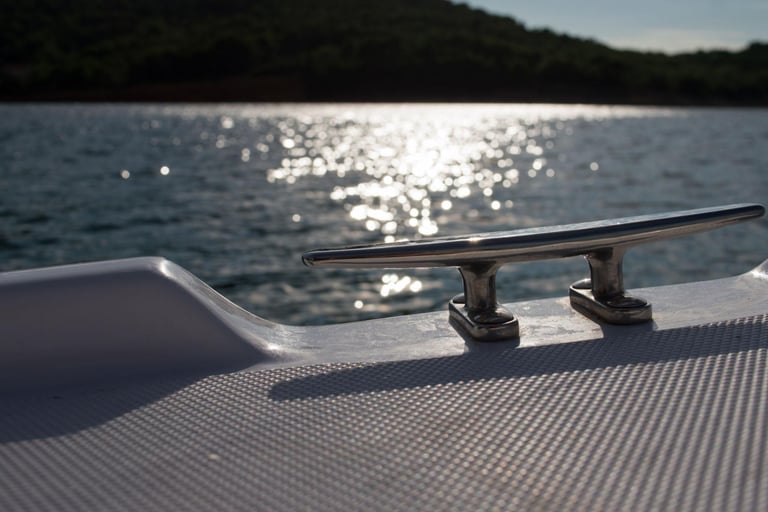
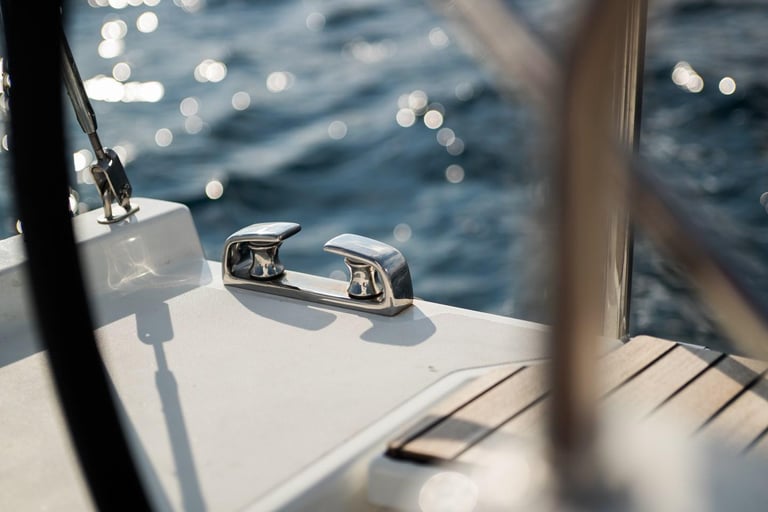
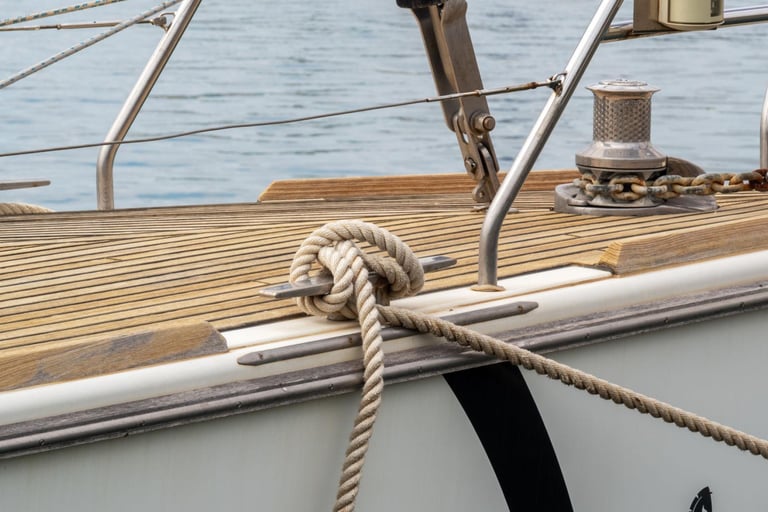
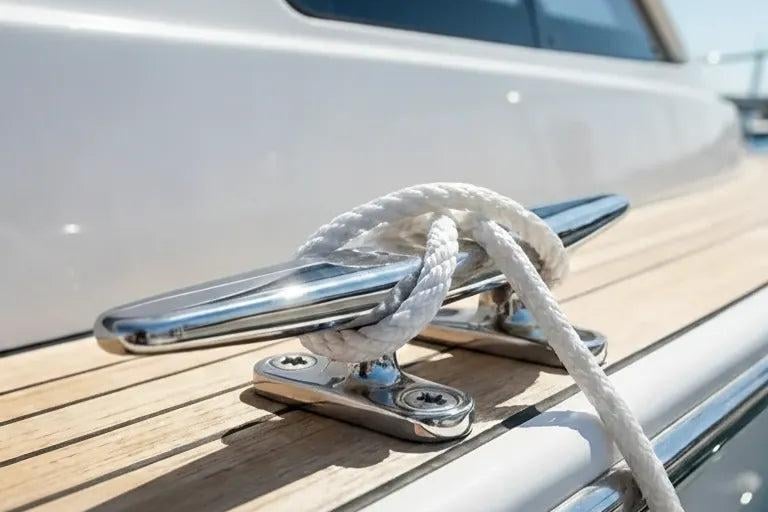
Horn Cleats are one of the most commonly used types of boat cleats. They are characterized by their distinct horn-like shape which facilitates the easy tying of ropes. Horn cleats are widely used because they can accommodate a variety of line sizes and are effective for securing boats during docking maneuvers. The elevated horns create a secure anchoring point, allowing for the adjustable tension of dock lines.
Jam Cleats provide a different approach to securing lines. They are equipped with an angled slot that grips the rope when pulled in one direction and easily allows for release in the opposite direction. This design makes jam cleats particularly useful in applications requiring quick adjustments and tension release, such as adjusting sail lines. Their versatility makes them suitable for various boating activities.
Spring-Loaded Cleats, or self-locking cleats, incorporate a spring mechanism that automatically grips the line when it is pulled tight. These cleats are particularly advantageous in situations where a quick release is required. The design allows the boat operator to secure the line without needing to adjust it manually, making them ideal for temporary docking or quick mooring situations.
Each type of boat cleat serves a unique purpose, enhancing the efficiency and safety of docking practices. By selecting the appropriate cleat, boaters can ensure their vessels remain securely moored, whether in calm waters or rough conditions. Understanding the features and functionalities of horn cleats, jam cleats, and spring-loaded cleats allows boat owners to make informed decisions that best suit their specific needs.
Factors to Consider When Choosing Boat Cleats
Selecting the right stainless steel boat cleats is crucial for ensuring the safety and reliability of your docking practices. When evaluating different options, several key factors must be taken into account to optimize performance and durability.
Firstly, the size of the cleat plays an integral role in its effectiveness. It is essential to match the cleat size to the type and size of your boat. Smaller boats might require cleats with a lower profile, while larger vessels will benefit from bigger, sturdier cleats that can accommodate thicker lines. A general rule of thumb is to choose cleats that are large enough to securely hold the intended docking lines without slipping or causing strain.
In addition to size, the load capacity of the cleats is paramount. Different cleats have varying load limits, so evaluating how much weight and force the cleats must withstand during docking and long-term mooring is essential. Opting for cleats with higher load capacities will help ensure they can handle the stresses exerted by weather conditions, particularly during storms or rough waters.
The design of the boat cleats also significantly influences functionality. Some cleats are designed for specific uses, such as opening or closing security lines, while others may be more general-purpose. Features such as additional grooves can make for easier line handling. Therefore, it is important to consider what functions you require from the cleat before purchase.
Finally, installation methods should not be overlooked. Some cleats may require specific tools or mounting hardware, while others are designed for straightforward installation. Assessing whether you will be installing the cleat yourself or hiring a professional can help guide your selection process. By accounting for size, load capacity, design, and installation processes, you can choose the ideal stainless steel boat cleats for your boating needs.
Installing Stainless Steel Boat Cleats: Best Practices
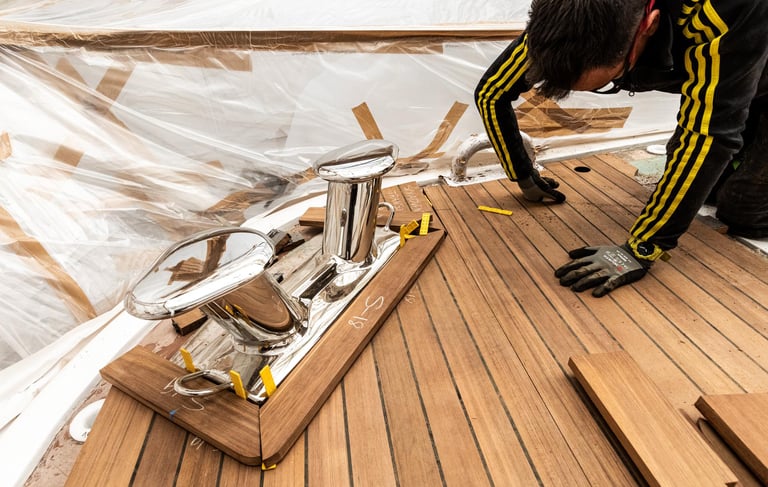
Proper installation of stainless steel boat cleats is crucial for ensuring reliable docking and overall marine performance. Follow these step-by-step guidelines to achieve a secure and functional cleat installation.
1. Choose the Right Location: Begin by selecting an optimal location for the cleat on your boat. The cleat should be positioned on a flat surface, typically on the deck, where it can provide secure fastening points for docking lines. Ensure the area is free of obstructions and assess the proximity to other equipment on board.
2. Gather Necessary Tools: Before proceeding with the installation, gather all necessary tools. You will need a drill, appropriate drill bits, screws, a level, a sealant (preferably marine-grade), and a wrench or screwdriver. It is essential to use tools appropriate for marine environments to prevent corrosion and damage.
3. Mark the Installation Points: Using a pencil, mark the locations where the screws will penetrate the deck. Ensure that the cleat is aligned with the desired mounting angle as well as leveled correctly. A level tool is helpful to confirm that the cleat sits parallel to the deck.
4. Drill Holes: Carefully drill holes at the marked points, ensuring the diameter matches the screws being used. Take care to not drill too deeply, as this can compromise the integrity of the deck. A backing plate can enhance the cleat’s strength and stability.
5. Apply Sealant: Before affixing the cleat, apply a generous amount of marine-grade sealant around each drilled hole. This step will help prevent water intrusion, which can lead to wood rot and other structural issues.
6. Secure the Cleat: Position the stainless steel cleat over the holes and insert the screws. Use a wrench or screwdriver to tighten the screws gradually, ensuring that the cleat remains level. Avoid over-tightening, which can lead to cracking or damaging the deck.
7. Final Inspection: After installation, perform a thorough inspection to ensure that the cleat is securely mounted. Tug on the cleat to check its stability and make any adjustments if necessary. This final step is vital for ensuring safety during docking.
By adhering to these best practices when installing stainless steel boat cleats, boat owners can improve both the reliability and safety of their marine docking setup, ensuring durable performance over time.
Maintaining Your Stainless Steel Boat Cleats
To ensure the longevity and optimal functionality of stainless steel boat cleats, a consistent maintenance routine is essential. Regular upkeep not only preserves the aesthetic appeal of the cleats but also prevents the adverse effects of rust and corrosion, which can compromise their structural integrity over time.
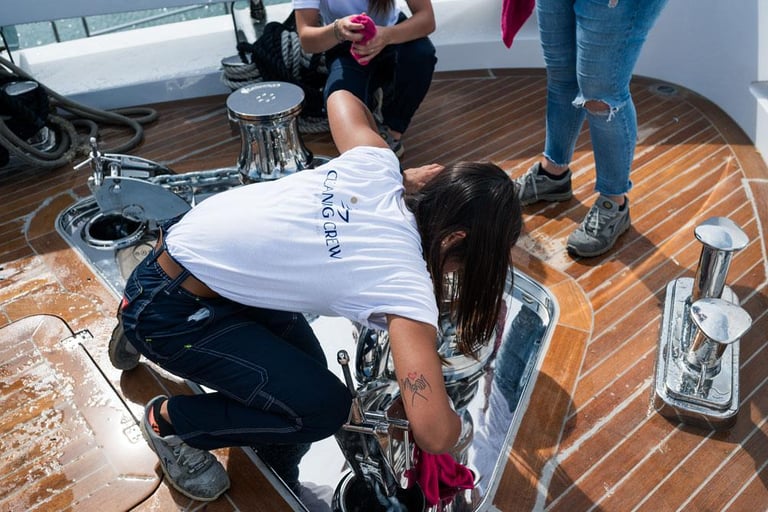
One of the primary maintenance tasks is cleaning. It is advisable to wash the boat cleats with fresh water after exposure to saltwater or other corrosive environments. Rinsing promptly helps in removing any salt deposits or dirt that may accumulate, reducing the likelihood of corrosion. A soft brush can be utilized to scrub the cleat gently, ensuring that all crevices are adequately cleaned without causing any scratches to the surface. A mild detergent can be effective for tougher grime, followed by thorough rinsing.
Additionally, inspecting the stainless steel boat cleats regularly should be part of your maintenance plan. Look for signs of wear, such as pitting or discoloration, that might indicate the onset of corrosion. Early detection can mitigate serious issues later on. If any corrosion spots are found, they can often be treated by using a specialized stainless steel cleaner or a gentle abrasive pad to remove the corrosion gently.
Preventative measures also play a crucial role in maintaining the integrity of boat cleats. Applying a protective coat, designed specifically for stainless steel, can create a barrier against moisture and harmful elements. Furthermore, ensuring that the cleats are not overloaded or misused will extend their lifespan significantly.
In conclusion, regular cleaning, inspection, and preventative treatments are key practices for maintaining stainless steel boat cleats, ensuring they remain secure and durable throughout their use on the water.
Conclusion and Final Thoughts
In the realm of boating, safety and security are paramount, and premium stainless steel boat cleats play a crucial role in achieving these objectives. These essential components provide the necessary stability for securing your vessel at the dock, ensuring that it remains in place even under challenging marine conditions. When choosing the right cleat, boat owners should consider factors such as material strength, corrosion resistance, and design. Stainless steel, renowned for its durability and resistance to rust, stands out as an optimal choice for boat cleats, significantly enhancing their longevity in saltwater environments.
Furthermore, investing in high-quality boat cleats translates into peace of mind for boat owners. Premium options are often designed with enhanced features that improve functionality, such as wider bases for increased stability and designs that allow for easy, secure attachment of lines. This ultimately contributes to safer docking procedures, reducing the risk of accidental detachment or slippage that could lead to damaging incidents.
In conclusion, the significance of selecting premium stainless steel boat cleats cannot be overstated. They serve not only as vital tools for secure docking but also as a means to ensure the overall durability and safety of a vessel in the often unpredictable marine environments. By making informed choices in the selection of boat cleats, owners can protect their investments and enjoy a more secure boating experience for years to come.



Get in touch
Address
13 north street
Weihai Shandong China
Contacts
+86 156 8454 3412
yacht.business48@gmail.com