
Stainless Steel Boat Hand Rails: Safety & Durability Guide
Discover Stainless Steel Boat Hand Rails designed for safety, durability, and corrosion resistance. Learn how to choose the best marine hand rails for your boat.
7/24/20268 min read


Introduction to Stainless Steel Boat Hand Rails
Hand rails are an essential safety feature on boats, providing vital support for passengers while navigating both calm seas and turbulent waters. They offer stability and security, especially during boarding, disembarking, or maneuvering on deck. Given the dynamic environment of marine settings, the choice of material for these hand rails is critical. Stainless steel has emerged as the preferred option for constructors and boat owners alike due to its remarkable characteristics that cater specifically to the rigors of the sea.
One of the primary attributes of stainless steel is its corrosion resistance. In marine applications, where exposure to saltwater, humidity, and varying temperatures is frequent, materials that do not corrode rapidly are paramount. Stainless steel is inherently resistant to rust and corrosion thanks to the presence of chromium, which forms a protective layer on the metal surface. This quality makes stainless steel hand rails highly durable, extending their lifespan and maintaining their aesthetic appeal over time.
Additionally, stainless steel offers significant strength and structural integrity. It is able to withstand forces exerted by the sea, ensuring that hand rails remain secure and functional even in adverse weather conditions. The robustness of stainless steel also allows for streamlined designs, enabling manufacturers to create hand rails that are both elegant and practical.
Furthermore, stainless steel is low-maintenance, requiring minimal upkeep to sustain its pristine appearance. Regular cleaning and occasional inspections are generally sufficient to ensure longevity. The versatility of stainless steel allows for various finishes, providing boat owners with options that allow hand rails to complement the overall aesthetic of the vessel while ensuring safety for all on board. Therefore, the adoption of stainless steel for hand rails is not solely a trend but a smart choice for effective marine safety and forever enduring durability.
Importance of Safety in Marine Design
Marine design prioritizes safety as one of its core principles, and hand rails play a crucial role in ensuring the safety of crew and passengers aboard vessels. As the primary support structure on boats, hand rails provide essential stability, especially during turbulent weather conditions. When seas become rough, maintaining equilibrium can become a challenge; hence, having secure hand rails facilitates safe movement within the vessel.
Hand rails serve as reliable anchoring points that individuals can grasp while navigating through potentially hazardous sections of a boat. This becomes increasingly important during sudden maneuvers or when responding to shifting weights onboard. A well-placed hand rail can substantially reduce the risk of falls and other accidents that might occur in challenging marine environments, making it an indispensable element of maritime safety protocols.
Additionally, the presence of hand rails contributes to the confidence of all onboard. Passengers, especially those unfamiliar with marine travel, often feel anxious about balance and navigation. By providing a solid structure to hold onto, hand rails effectively mitigate these concerns, leading to a more enjoyable and secure experience. Furthermore, for crew members engaged in their tasks, hand rails enable them to focus on their responsibilities without compromising their own safety, thereby enhancing the vessel's operational efficiency.
Moreover, safety in marine design extends beyond hand rails. Comprehensive safety protocols include not only the installation of these vital structures but also regular maintenance checks to ensure they remain in optimal condition. The combination of durable materials, such as stainless steel, with intelligent, ergonomic placements can significantly enhance overall safety aboard a vessel.
Corrosion Resistance: The Superiority of Stainless Steel
Corrosion resistance is a fundamental property that determines the longevity and performance of marine components, particularly boat hand rails. When considering materials for such applications, stainless steel stands out due to its remarkable ability to resist corrosion in harsh, saline environments. Unlike other metals, stainless steel forms a protective passive layer on its surface, which shields it from the corrosive effects of the environment.
Among the various grades of stainless steel, 316-grade stainless steel is particularly favored for marine applications. This specific alloy contains chromium, nickel, and molybdenum, which significantly enhance its corrosion resistance. The addition of molybdenum in 316 stainless steel is crucial, as it improves resistance to pitting and crevice corrosion caused by chlorides commonly found in sea water. In contrast, other materials such as aluminum and regular carbon steel do not offer the same level of protection, making them less suitable for marine environments.
Furthermore, the resilience of stainless steel against corrosive elements ensures that the aesthetic and functional integrity of boat hand rails is maintained over time. Factors such as exposure to salt water, humidity, and varying temperatures can accelerate the corrosion of inferior metals, leading to structural failures and safety issues. Therefore, vessel owners seeking durable and safe hand rails are increasingly opting for stainless steel solutions. Its durability not only enhances safety onboard but also reduces maintenance costs, offering long-term value.
The choice of stainless steel for boat hand rails confirms the importance of material selection in marine engineering. Its excellent combination of strength, aesthetics, and, most importantly, resistance to corrosion makes it an ideal choice for harsh marine settings, ensuring that safety and durability are not compromised.
Long-Term Durability and Maintenance of Stainless Steel Hand Rails
Stainless steel hand rails are an essential component of marine safety, providing support and stability on boats and yachts. Known for their impressive durability, these rails can withstand the harsh conditions typically found in marine environments. The lifespan of stainless steel hand rails depends on various factors, including the quality of the material, environmental conditions, and the level of maintenance.
Marine-grade stainless steel, particularly alloys like 316, offers excellent resistance to corrosion, making it the preferred choice for vessels. The presence of molybdenum in this grade improves its resistance to pitting and crevice corrosion, which are common in salty water. However, despite its durability, it is crucial to acknowledge that stainless steel is not impervious to the elements; exposure to saltwater, UV radiation, and harsh weather can affect its appearance and structural integrity over time.
To ensure the longevity and aesthetics of stainless steel hand rails, regular maintenance is essential. Cleaning the rails periodically with warm, soapy water helps to remove dirt, salt, and grime that can accumulate. For more stubborn stains, a gentle abrasive cleaner may be used, but care should be taken not to scratch the surface. Additionally, using a specialized stainless steel cleaner can help restore shine and provide a protective barrier against corrosion.
Another important consideration is to inspect the hand rails regularly for any signs of wear, rust, or loose fittings. Addressing issues promptly can prevent costly repairs and ensure safety on board. In the case of discolored welds or other aesthetic imperfections, polishing can improve their appearance. Following these simple maintenance tips will greatly contribute to the long-term durability and safety of stainless steel hand rails in a marine setting.
Design Options and Customization for Hand Rails
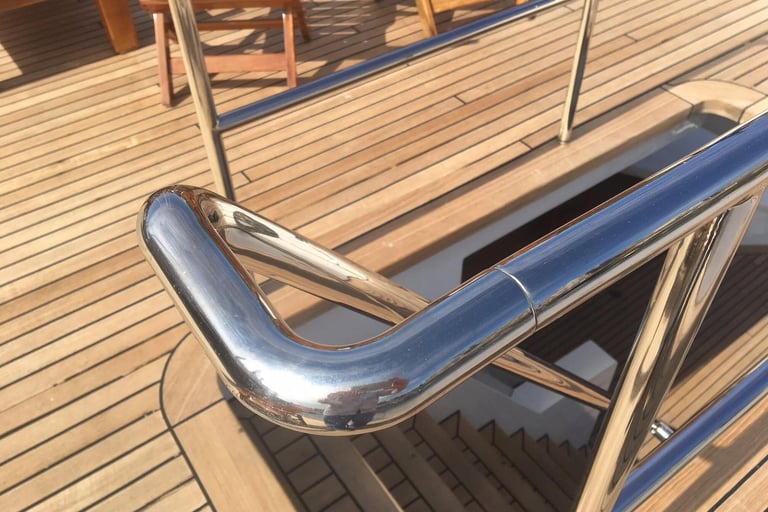
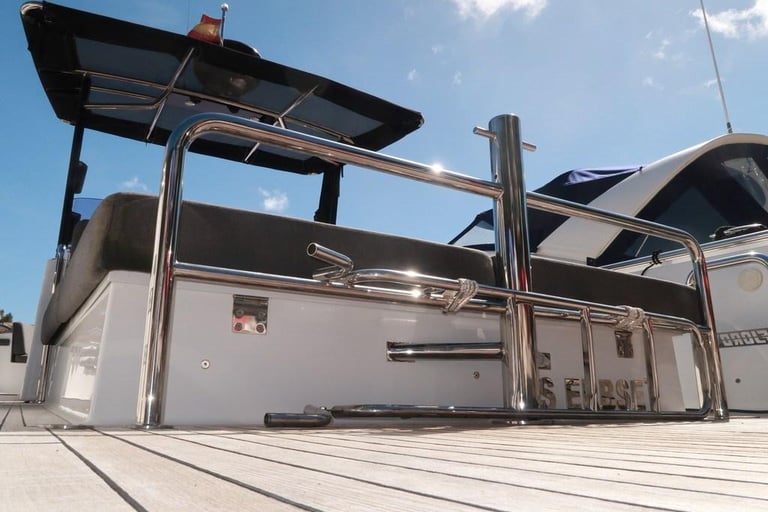
Stainless steel boat hand rails offer an extensive array of design options that reflect both functionality and aesthetic preference. When selecting hand rails, boat owners can choose from a variety of shapes, sizes, and finishes to ensure compatibility with their vessel's unique style. Standard configurations include straight, curved, and angular designs that can complement the curves and lines of modern boat silhouettes.
Generally, straight design hand rails are favored for their simplicity and ease of installation, providing sturdy support while maintaining a sleek look. Curved railings, on the other hand, tend to soften the overall appearance of a boat and can create a more inviting atmosphere, especially on leisure vessels. Additionally, angular designs can introduce a modern flair, appealing to those who appreciate innovative takes on traditional features.
In terms of size, hand rails can be customized to suit the scale of the boat. For larger vessels, wider rails ensure enhanced support, especially in rough waters, while smaller boats may benefit from more compact railings that save on space without compromising safety. Moreover, the height of the railings is customizable to cater to the needs of users, thus accommodating various user demographics, including children and individuals with limited mobility.
Finish options are equally important, as they not only affect the visual appeal but also the durability of stainless steel hand rails. Common finishes include brushed, polished, or even powder-coated variations which can further protect against corrosion while providing a distinct aesthetic. Ultimately, boat owners also have the option of collaborating with manufacturers to design custom hand rails tailored to their specific requirements, allowing for a blend of practicality and personal style.
Installation Guidelines for Stainless Steel Boat Hand Rails
Installing stainless steel boat hand rails can significantly enhance both safety and aesthetics on your vessel. Here is a step-by-step guide to ensure a successful installation.
Step 1: Gather Required Tools and Materials
Before you start, ensure you have the following tools:
1. Measuring tape 2. Pencil or marker 3. Drill and drill bits suitable for stainless steel 4. Screwdriver 5. Sealer (marine-grade silicone) 6. Stainless steel screws or bolts 7. Safety glasses and gloves
Step 2: Measure and Mark
Carefully measure the location where you want to install the hand rails. Ensure they are at a comfortable height for users. Use a pencil to mark drill points. You can use a level to check horizontal alignment.
Step 3: Drill Holes
Using your drill, create holes at the marked points. It is crucial to start with a smaller bit to ensure precision. Once you have the pilot holes, switch to a larger bit suitable for the screw or bolt size you are using. Be cautious while drilling to avoid damaging the surrounding areas.
Step 4: Secure the Hand Rails
Position the hand rail over the drilled holes. Insert screws or bolts into the holes, ensuring they go through the hand rail's base. Uneven tension can lead to instability, so secure each bolt gradually.
Step 5: Seal the Installation
After securing the hand rails, apply a marine-grade silicone sealer around the base to prevent water ingress, which can lead to rust.
Common Mistakes to Avoid
A couple of common pitfalls include inadequate sealing and misalignment. Ensure every bolt is tightly fastened to prevent movement and check alignment frequently during installation.
By following these steps meticulously, you can achieve a stable and secure installation of your stainless steel boat hand rails, enhancing both safety and functionality on your boat.
Conclusion and Final Thoughts on Choosing Stainless Steel Boat Hand Rails
In summary, selecting stainless steel boat hand rails is a strategic decision that can enhance the safety and durability of your vessel. Stainless steel is renowned for its remarkable resistance to corrosion, making it an excellent choice for marine environments where exposure to saltwater is constant. This material ensures that hand rails remain functional and aesthetically pleasing over the years, even in the harshest conditions.
Moreover, the design versatility of stainless steel allows for various styles and finishes, catering to individual preferences while maintaining a level of sophistication and elegance on any boat. The strength of stainless steel also contributes to a sense of security for passengers, as robust hand rails provide reliable support during navigation, docking, or any onboard activities.
Emerging trends in the marine industry reveal an increasing emphasis on integrating innovative design features into hand rails, such as adjustable height options and modular components that improve user convenience. Additionally, advancements in manufacturing techniques have led to the development of lightweight yet durable alternatives, making it easier for boaters to install and handle these essential safety features.
Ultimately, investing in stainless steel boat hand rails is an investment in long-term safety and functionality for your boat. Whether navigating busy harbors or enjoying a leisurely day on the open water, robust hand rails contribute significantly to the overall experience. As you consider options for your vessel, keep in mind the benefits of stainless steel—its durability, low maintenance requirements, and stylish appeal are compelling reasons to choose it as your go-to material for boat hand rails.
Get in touch
Address
13 north street
Weihai Shandong China
Contacts
+86 156 8454 3412
yacht.business48@gmail.com