
New Generation Yacht Control Panels for Better Navigation
Discover how yacht control panels improve navigation, vessel performance, and onboard control. Explore modern marine technology designed for safer and more efficient boating.
7/14/20268 min read


Introduction to Smart Yacht Control Panels
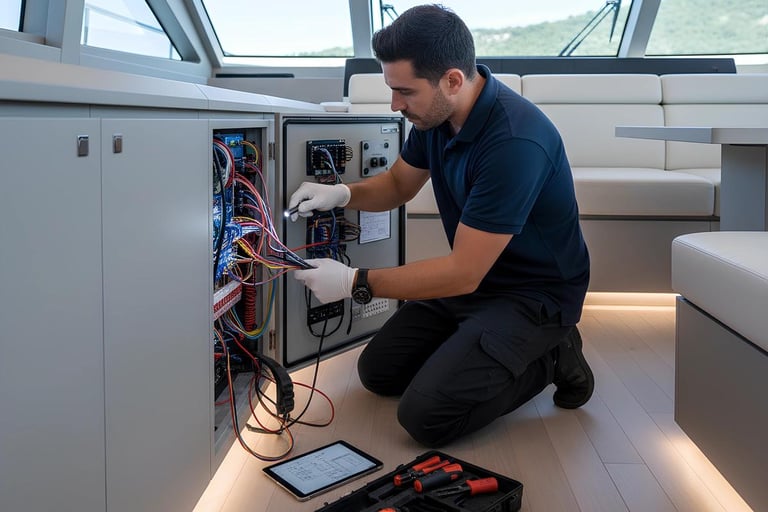
In recent years, the evolution of yacht control systems has witnessed a remarkable transformation, moving from traditional analog setups to sophisticated digital networks that define smart yacht control panels. These advanced systems play a crucial role in enhancing the navigation experience for mariners by simplifying the interface and improving functionality significantly.
Traditional control systems often required multiple separate instruments, leading to a complex and cumbersome operation for yacht crews. Users had to rely on individual gauges and switches for monitoring various systems such as navigation, propulsion, and communications. This complexity could potentially overwhelm even experienced operators, especially in high-pressure situations on the water. Additionally, the potential for human error increased as crews struggled to integrate and manage information from various sources.
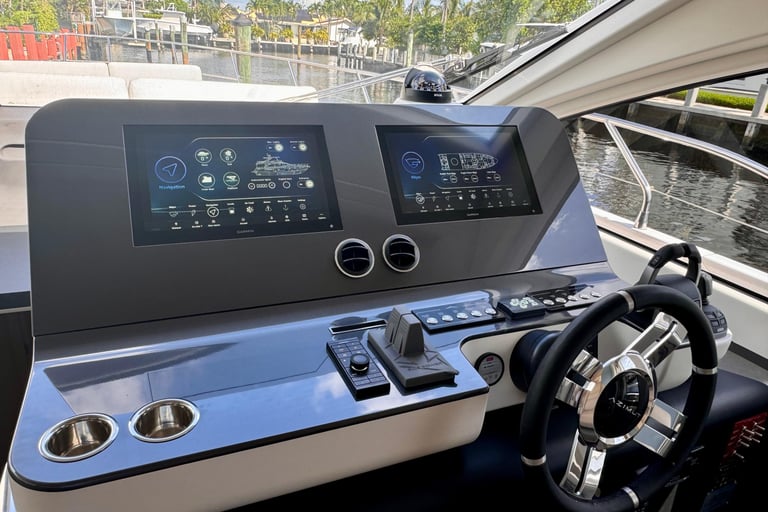
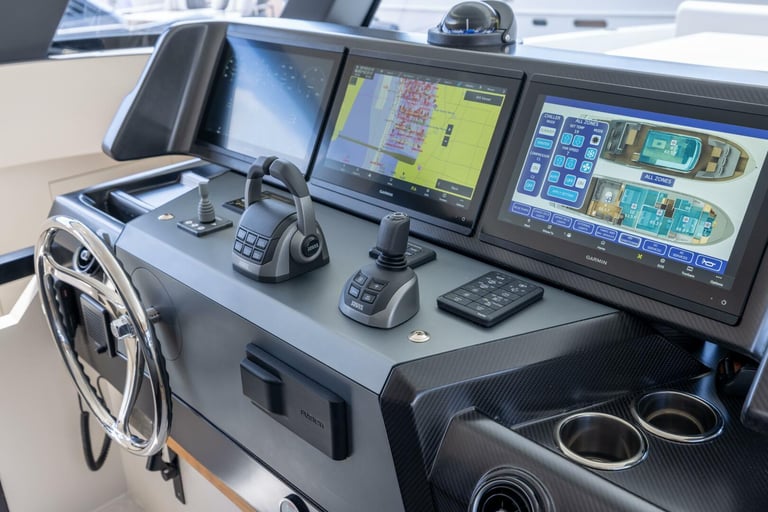
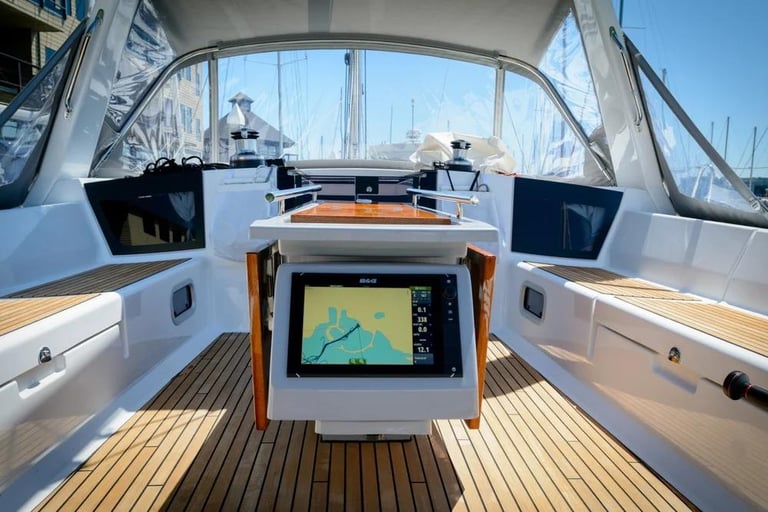
With the advent of new generation control panels, yacht operation is becoming more streamlined and user-friendly. These modern systems consolidate multiple functionalities into a single, intuitive interface that can be controlled through touchscreen technology. By integrating essential navigation features such as GPS, radar, and autopilot, these smart panels enable a more cohesive understanding of the vehicle's performance and surrounding environment. The rise of digital technologies not only allows for easier access to critical information but also contributes to improved safety on the water, as operators can react more quickly to changing conditions.
Moreover, smart yacht control panels often come equipped with advanced data analytics that help in real-time decision-making, optimizing performance, and enhancing fuel efficiency. This growing trend toward digitization represents a significant leap in the maritime industry, allowing for a better connection between mariners and their vessels. In embracing modern technology, yacht operators can expect an increase in both operational efficiency and navigational accuracy.
Key Features of Modern Control Panels
In the realm of yacht operation, modern control panels are at the forefront, equipped with advanced features that significantly improve navigation and overall performance. One of the standout characteristics of contemporary control panels is the integration of touch screen technology. This feature enhances user interaction by allowing operators to manage functions through intuitive gestures, making control both sophisticated and user-friendly. The clarity of touch screens ensures that critical information is easily accessible and clearly displayed, facilitating quick decision-making.
Customizable interfaces further define modern control panels, allowing users to tailor their operational environment according to personal preferences and specific navigational needs. By enabling adjustments to layouts, colors, and the types of information displayed, these interfaces create a personalized experience that can adapt to various maritime conditions. This customization not only improves usability but also enhances safety as operators can prioritize key data relevant to their immediate operational context.
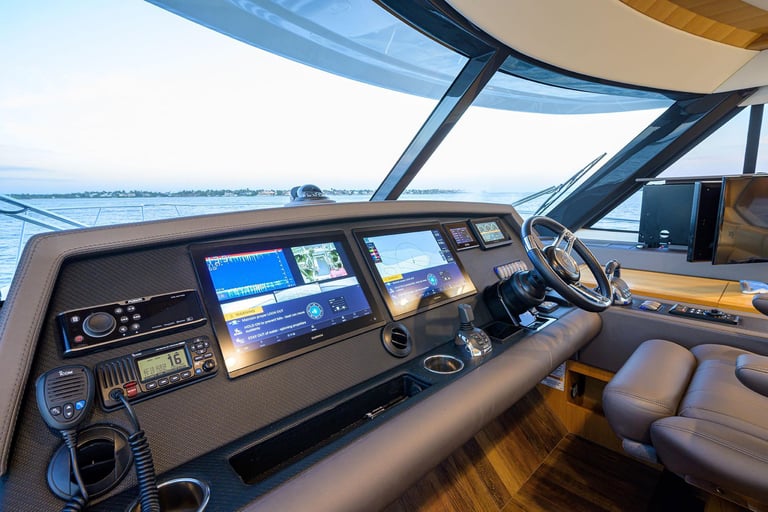
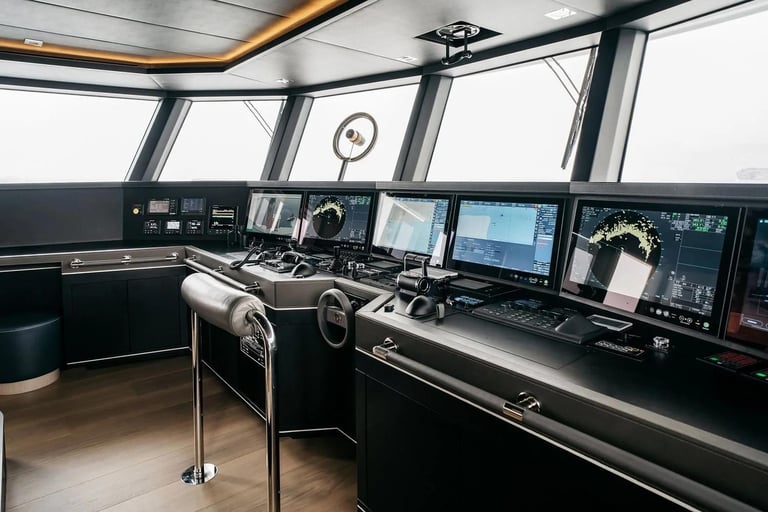
Moreover, the capability of integrating a wide array of navigational tools is a pivotal feature of today's control panels. These systems can seamlessly connect with GPS, radar, and AIS (Automatic Identification System), consolidating essential navigational information into one central hub. This integration allows yacht operators to monitor multiple variables such as speed, course, and surrounding traffic without the need to toggle between different devices, thereby streamlining operations.
The interactivity offered by modern control panels is matched by their emphasis on user-friendliness. Many systems incorporate haptic feedback and voice commands, which enable operators to maintain focus on the navigation without needing to take their eyes off the water. As such, the evolution of yacht control panels encapsulates a blend of innovation and practicality, making marine operations not only more efficient but also more accessible to a wider range of users.
The Role of Smart Navigation in Yacht Operation
Modern yacht operation has evolved significantly with the advent of smart navigation technologies. These innovative tools, integrated into advanced control panels, play a crucial role in enhancing route planning and performance on the water. One of the primary components of smart navigation is the Global Positioning System (GPS), which allows for precise positioning and tracking of vessels. By presenting real-time data on the yacht's location, GPS systems enable navigators to plot optimal routes, accounting for changing weather conditions and sea states.
Additionally, the Automatic Identification System (AIS) is another vital technology that enhances safety during yacht operation. AIS transmits information about the yacht's course, speed, and heading, allowing for better situational awareness among vessels in an area. This collective sharing of data minimizes the risk of collisions and increases overall maritime safety. When integrated with smart navigation panels, AIS assists in automatically detecting nearby crafts, displaying critical information that helps yacht operators make informed decisions quickly.
Another indispensable tool is the chart plotter, which combines GPS and electronic navigational charts (ENC) to provide an interactive interface for route planning. Chart plotters allow mariners to visualize their current position against detailed nautical maps, enabling users to create and modify routes easily. With functions such as waypoints, routes, and depth information, chart plotters contribute significantly to the efficiency of navigation by highlighting potential hazards and safe channels. Overall, these smart navigation tools facilitate more informed decision-making, thereby elevating both safety and performance at sea, while minimizing human error that can be catastrophic in navigation.
Benefits of Digital Technology in Yachting
The integration of digital technology into yacht control panels represents a significant leap forward in marine navigation and vessel operation. One of the primary advantages of this technology is the enhanced accuracy it brings to navigation. Digital systems can process vast amounts of data from multiple sensors, providing real-time updates on the yacht's position, speed, and heading. This level of precision helps mariners make informed decisions, minimizing the risk of navigational errors that can occur due to human oversight or outdated analog systems.
Moreover, reducing human error is a critical benefit of adopting digital technology in yachting. Traditional methods heavily rely on the skills and judgment of the crew, which can sometimes lead to mistakes under pressure or fatigue. In contrast, modern control panels equipped with advanced algorithms and automated functions assist operators in maintaining optimal performance. For example, features such as automatic throttling and course adjustments can respond instantly to changing conditions, which decreases the likelihood of accidents and enhances overall safety.
Furthermore, the enhanced communication capabilities afforded by these digital systems cannot be overlooked. Modern yacht control panels often include integrated communication tools, allowing for seamless interaction with other vessels, shore stations, and emergency services. This connectivity ensures that vital information can be shared instantly, enabling more efficient coordination in critical situations. Consequently, sailors experience not only improved safety but also a more enjoyable journey, as they can focus on navigating and enjoying the environment rather than managing outdated equipment.
Through these advantages—improved accuracy, reduced human error, and enhanced communication—the adoption of digital technology in yacht operations significantly elevates the overall boating experience. The evolution of control panels in the yachting industry is a testament to how embracing innovation can lead to safer and more pleasurable maritime activities.
Challenges and Considerations
As the nautical industry embraces the modernity presented by new generation control panels, various challenges and considerations must be acknowledged. While these innovative systems are designed to enhance navigation and performance, they do introduce certain complexities that require careful attention.
One of the primary concerns surrounding modern control panels is the increasing dependency on technology. Sailors are transitioning from traditional navigation methods that rely on experience and intuition to systems heavily reliant on electronic interfaces. This shift can be substantial, particularly for seasoned sailors who have spent years mastering conventional techniques. A heavy reliance on technology may lead to a decline in fundamental navigation skills, potentially posing risks in critical situations where manual intervention is necessary.
Furthermore, there exists a significant learning curve associated with adopting smart control systems. For individuals accustomed to analog devices, the transition to digital interfaces may prove daunting. Traditional sailors often encounter difficulties in adapting to new software and hardware, requiring time and training to ensure proficiency. This hurdle can be particularly challenging in situations where immediate decisions are crucial, as familiarity with the system can greatly influence safety and efficiency.
Regular updates and maintenance represent another aspect to consider. New generation control panels often require periodic software updates to ensure optimal performance and security. Neglecting these updates can have detrimental effects, leading to software malfunctions or vulnerabilities that could compromise safety. Consequently, yacht operators must remain vigilant about maintaining their systems, dedicating resources to both time and finances to uphold the functionality of these advanced tools.
In conclusion, while the advantages of new generation control panels are undeniable, it is imperative to recognize the accompanying challenges. Addressing technology dependency, navigating the learning curve, and committing to ongoing upkeep are critical considerations that must be managed as the industry moves toward a more automated future.
Case Studies of Successful Implementation
The advent of new generation control panels has markedly transformed yacht operations across various segments of the industry. A notable case study involves the integration of advanced control panels in a fleet of luxury yachts owned by a prominent charter company. By replacing outdated systems with state-of-the-art interfaces, the fleet reported a 30% improvement in operational efficiency. These control panels incorporate intuitive touchscreens and responsive software, enabling crew members to manage propulsion and navigation systems seamlessly while maintaining real-time communication with each other on board.
Another compelling example comes from a racing yacht that competed in an international regatta. The owner decided to equip the vessel with a new generation control panel populated with customizable features suited for high-performance sailing. The updated system provided real-time data analysis on fuel consumption, sail trim optimization, and wind conditions, which not only enhanced the crew's ability to make informed decisions but also resulted in a remarkable increase in overall speed. After implementation, the racing yacht secured a top position in multiple competitions, showcasing the critical role of modernized control systems in competitive environments.
Moreover, a significant case arises from the commercial sector, where a shipping company adopted new generation control panels for its cargo vessels. The transition led to enhanced navigation capabilities, reducing the time spent in transit while simultaneously lowering fuel consumption. Utilizing integrated technologies, the crews could monitor multiple parameters actively, leading to improved decision-making, which is crucial in the commercial yachting realm. This case illustrates how embracing contemporary technology not only amplifies operational efficiency but also contributes to economic savings in the long run.
The Future of Yacht Control Technologies
The yacht industry is on the brink of a technological renaissance, with new control technologies poised to transform not just navigation but the overall experience of yacht operation. Innovations are emerging at a rapid pace, led by advancements in digital control panels that integrate seamlessly with various onboard systems. This trend is set to continue, as developers strive to create user-friendly interfaces that allow for intuitive control of complex systems.
One of the most significant trends in the future of yacht navigation technology is the anticipated integration of artificial intelligence. AI's capability to analyze vast amounts of data in real-time promises to revolutionize how sailors interact with navigation systems. With predictive analytics, yachts could anticipate adverse weather conditions, traffic patterns, and even fuel requirements, leading to safer and more efficient journeys. Such autonomy could enhance the capabilities of inexperienced sailors by augmenting their decision-making processes with advanced data insights.
Moreover, as the Internet of Things (IoT) becomes more prevalent, we can expect enhanced connectivity between yacht components. This interconnectedness implies that control panels will not only manage navigation but will also streamline communication between systems, improving overall performance. For instance, real-time data sharing between engine management, navigation, and even guest services could optimize energy consumption while elevating the onboard experience.
As these technologies evolve, the timeline for adoption may quicken due to increasing consumer demand for environmentally friendly solutions. This could lead to further innovations in hybrid and fully electric yachts, where control technologies play a pivotal role in maximizing efficiency. The future landscape of yacht operation is undeniably set to be influenced by the seamless integration of advanced technologies capable of enhancing navigation and performance.


Get in touch
Address
13 north street
Weihai Shandong China
Contacts
+86 156 8454 3412
yacht.business48@gmail.com