
Marine Safety Accessories for Safer Boating
Discover Marine Safety Accessories for safer boating, including life jackets, first aid kits, emergency signals, docking tools, storage solutions, and onboard comfort items.
SAFETY
7/7/20268 min read
Life Jackets and Safety Gear
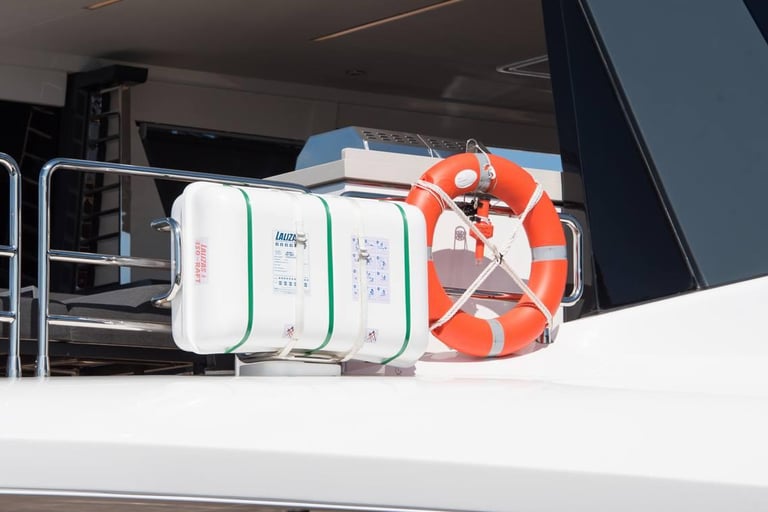
When venturing out on the water, ensuring safety should be a top priority for any boater. Life jackets are the most crucial safety gear, as they are designed to keep individuals afloat in case of emergencies. Choosing the right type of life jacket can make a significant difference in safety. There are several categories, including Type I (offshore), Type II (nearshore), Type III (floatation aid), Type IV (throwable devices), and Type V (special uses). Each type serves a different purpose and is suited to various activities, hence selecting one that aligns with your boating activities is essential.
Properly fitting life jackets are essential for maximizing safety. It is vital to follow the manufacturer's guidelines for sizing, ensuring that the jacket fits snugly without being overly tight. A properly fitted life jacket should allow the wearer to breathe comfortably while keeping the buoyancy feature in the correct position. Regularly checking life jackets for signs of wear and tear is also crucial; replace any that exhibit damage or do not meet current safety standards.
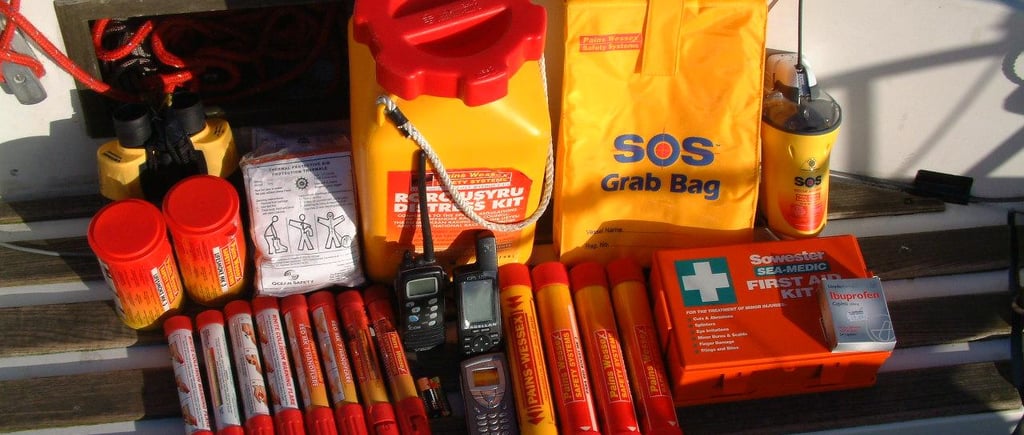
Beyond life jackets, additional safety equipment plays a significant role in maritime safety. Items such as throwable flotation devices, whistles, and flashlights should always be onboard. These tools enhance visibility and communication in emergencies. Furthermore, carrying a first aid kit and emergency signaling tools, like flares or mirrors, ensures preparedness for unexpected situations. Organizing safety gear for quick access is vital; stashing these items in a dedicated space, preferably near the entry point, can aid swift response during emergencies.
Staying informed about best practices for the use and maintenance of life jackets and safety gear contributes substantially to a safer boating experience. By investing in high-quality gear and ensuring it is readily accessible, boaters can greatly enhance their safety and that of their passengers.
Marine First Aid Kit
A well-equipped marine first aid kit is essential for any boat, regardless of its size or purpose. Safety on the water must always be a priority, and having a comprehensive first aid kit can make a significant difference in emergencies. The components of a marine first aid kit should be tailored to address injuries and health issues that are commonly encountered while boating.
To ensure preparedness, a marine first aid kit typically includes items such as adhesive bandages in various sizes, antiseptic wipes for cleaning wounds, and medical tape to secure dressings. Additionally, it is prudent to include gauze pads and elastic bandages for more serious injuries. Compact tools such as scissors and tweezers for splinter removal, as well as a digital thermometer, should also be part of the kit.
Another critical aspect is motion sickness remedies to help mitigate seasickness among passengers. These can include over-the-counter medications or natural remedies like ginger, which can be beneficial for calming upset stomachs when on the water.
When selecting a marine first aid kit, opt for a waterproof container to ensure the supplies remain dry and functional, even in humid or wet conditions. Additionally, proper storage is vital; the kit should be easily accessible while remaining securely stowed to prevent it from being tossed around during rough weather or navigational maneuvers. It is advisable to locate the kit in an area known to all passengers, so assistance can be provided quickly if necessary.
Regularly reviewing and replenishing the contents of the marine first aid kit is crucial to maintaining its effectiveness. It is recommended to check supplies at the start of each boating season and to replace any expired items promptly. This proactive approach enhances safety and ensures preparedness for any potential medical situation while boating.
Boat Fenders and Dock Lines
Boat fenders and dock lines are essential accessories for ensuring the safety and security of your vessel during docking maneuvers. When a boat is moored at a dock, it can be subject to various stresses from currents, wind, and wake from other vessels. This is where the role of fenders becomes crucial—they serve as a protective barrier between the boat’s hull and the dock, preventing potential damage that can occur from impacts.
When selecting quality boat fenders, it is important to consider a few key features. Firstly, the size of the fender should correspond to the size of your boat as well as the conditions under which it will be used. Larger fenders typically provide better cushioning, while smaller models are suitable for tighter spaces. Additionally, the material used in manufacturing the fender is significant; options such as closed-cell foam or durable vinyl can enhance longevity and effectiveness. Look for fenders that have reinforced centers for increased strength, as these are less likely to deform over time.
Dock lines, similarly, play a vital role in securing your boat. The right dock lines should be strong enough to withstand the forces exerted during mooring. Typically, lines made from nylon or polypropylene are preferred due to their flexibility and resistance to abrasion. When choosing dock lines, ensure they are long enough to accommodate the height of the dock and the water level fluctuations. A good practice is to have lines with a minimum length equal to 1.5 times the height of the dock.
To enhance safety and stability while using fenders and dock lines, it is advisable to position fenders at strategic points along the sides of the boat and to ensure that dock lines are secured with appropriate knots. Regular inspections of both fenders and lines help ensure they are in good condition and ready for use, thus promoting a safe and comfortable boating experience.
Waterproof Storage Bags
Waterproof storage bags are essential accessories for boaters who wish to keep their valuables secure and protected from water-related damage. Whether one is fishing, embarking on a beach outing, or simply enjoying leisure time on a boat, these bags ensure that items such as phones, wallets, and important documents remain dry and safe, regardless of weather conditions.
There are various types of waterproof storage bags available in the market, each designed to cater to specific needs and activities. For instance, dry bags are commonly used for activities like kayaking and fishing, offering robust waterproof protection with roll-top closures. On the other hand, zippered waterproof bags can be employed for a variety of applications, providing easy access while still safeguarding against splashes and water exposure.
When choosing the appropriate waterproof storage bag, consider factors such as size, closure mechanism, and material. Smaller bags may suffice for trips focusing on personal items, while larger bags are advantageous for encompassing multiple objects, such as clothing or gear. Sealed seams and high-quality materials designed for waterproofing are also crucial to maintain the integrity of the contents within. Additionally, it is recommended to select bags that are lightweight and easily portable, to ensure convenience while moving onboard or to shore.
Furthermore, different boating activities may require unique waterproof solutions. For instance, fishing enthusiasts may need bags that are durable and can withstand rough handling, while beachgoers may prefer bags with extra features, such as external pockets for easy access to items like sunscreen or snacks. Thus, it is vital to assess individual needs carefully before making a selection.
Marine Cooler
A marine cooler is an essential accessory for any boating enthusiast, as it plays a vital role in maintaining food and beverages during outings on the water. Unlike regular coolers, marine coolers are specifically designed to withstand the unique challenges posed by saltwater and intense sun exposure, making them indispensable for maritime environments.
One of the key features that set marine coolers apart from their regular counterparts is their enhanced durability. Marine coolers are constructed using materials that can resist corrosion and wear, ensuring that they remain functional even after prolonged exposure to the harsh marine environment. This resilience not only extends the life of the cooler but also ensures that it performs effectively, keeping items cold for hours, or even days, depending on the model.
When selecting a marine cooler, there are several factors to consider. Insulation is perhaps the most critical criterion; look for models with thick walls and a well-designed lid that can effectively trap cold air and prevent heat exchange. Additionally, secure lids are crucial as they ensure that contents remain protected from splashes and spills while navigating choppy waters. Some models feature integrated latches and tie-down points, which can help maintain stability and prevent the cooler from sliding around during transit.
For optimal comfort and convenience, consider coolers that come with additional features such as built-in cup holders, fish rulers, or even padded seating lids. These thoughtful touches can enhance usability, making the cooler not just a container but also a functional element of your boating experience. By investing in a quality marine cooler, you can enhance the safety and enjoyment of your time on the water, ensuring that food and drinks remain fresh and accessible throughout your journey.
Boat Seat Cushions
When it comes to enhancing the comfort of your boating experience, boat seat cushions play a crucial role. These cushions are specifically designed to withstand the rigors of marine environments, offering both comfort and support during long hours on the water. The right cushion not only provides a more pleasant seating experience, but can also contribute significantly to overall safety aboard your vessel.
Various styles and materials are available for boat seat cushions, ensuring that you can find an option that fits your unique needs. Water-resistant materials are especially important, as they ensure durability and longevity in a wet environment. Common materials used for boat cushions include closed-cell foam, which remains buoyant even when wet, and mildew-resistant fabric that helps to maintain a clean and comfortable space. Additionally, some cushions come with UV resistant properties to protect them from sun damage.
One of the many benefits of selecting the right boat seat cushioning is that certain models can also double as flotation devices. Cushions designed with this dual purpose in mind can add an extra layer of safety, especially for those venturing into deeper waters. It is essential, however, to ensure that any cushion being used for this purpose meets the necessary regulatory requirements for flotation devices.
To maintain your boat seat cushions' condition, regular cleaning and proper storage are key. Rinsing the cushions with fresh water after each outing can help remove salt and debris, while storing them in a dry place will prevent mildew. With proper care, your boat seat cushions will not only enhance comfort but will also serve as reliable safety resources, making your time on the water both safer and more enjoyable.
LED Marine Lights
LED marine lights play a crucial role in enhancing visibility and safety aboard a boat. These lights are essential for a variety of applications, including navigation, deck lighting, and cabin illumination. By providing bright, efficient lighting, LED marine lights contribute to safer boating experiences, especially during nighttime or low-visibility conditions.
When considering navigation lights, it is important to choose LED options that fulfill the regulations set by the Coast Guard or relevant authorities. These lights come in various colors—red, green, and white—that indicate the direction of the vessel and help prevent collisions with other boats. Moreover, quality LED marine lights are designed to be durable and water-resistant, ensuring long-lasting performance even in harsh marine environments.
Deck lighting enhances onboard safety as well. Well-placed LED lights on the deck can illuminate it effectively, reducing the risk of accidents as crew members move about at night. Similarly, cabin illumination helps ensure visibility inside the boat, making it easier to navigate during nighttime activities. It is advisable to select LED lights that offer adjustable brightness levels, enabling users to customize illumination according to specific tasks or circumstances.
To maximize the effectiveness of LED marine lights, proper installation and maintenance are critical. Ensure that lights are mounted securely and positioned correctly to achieve optimal visibility. Regular maintenance, such as checking for signs of corrosion or deterioration, will prolong the life of these accessories. Additionally, periodic cleaning of the light fixtures to remove salt and debris can significantly enhance their performance.
In conclusion, LED marine lights are indispensable accessories that not only improve safety but also contribute to the overall comfort of being aboard a boat. Choosing the right lights and maintaining them properly will ensure that your boating experience is both safe and enjoyable.
Get in touch
Address
3721 Single Street
Weihai, Shandong, China
Contacts
+856 20 97 510 070
yacht.business48@gmail.com